
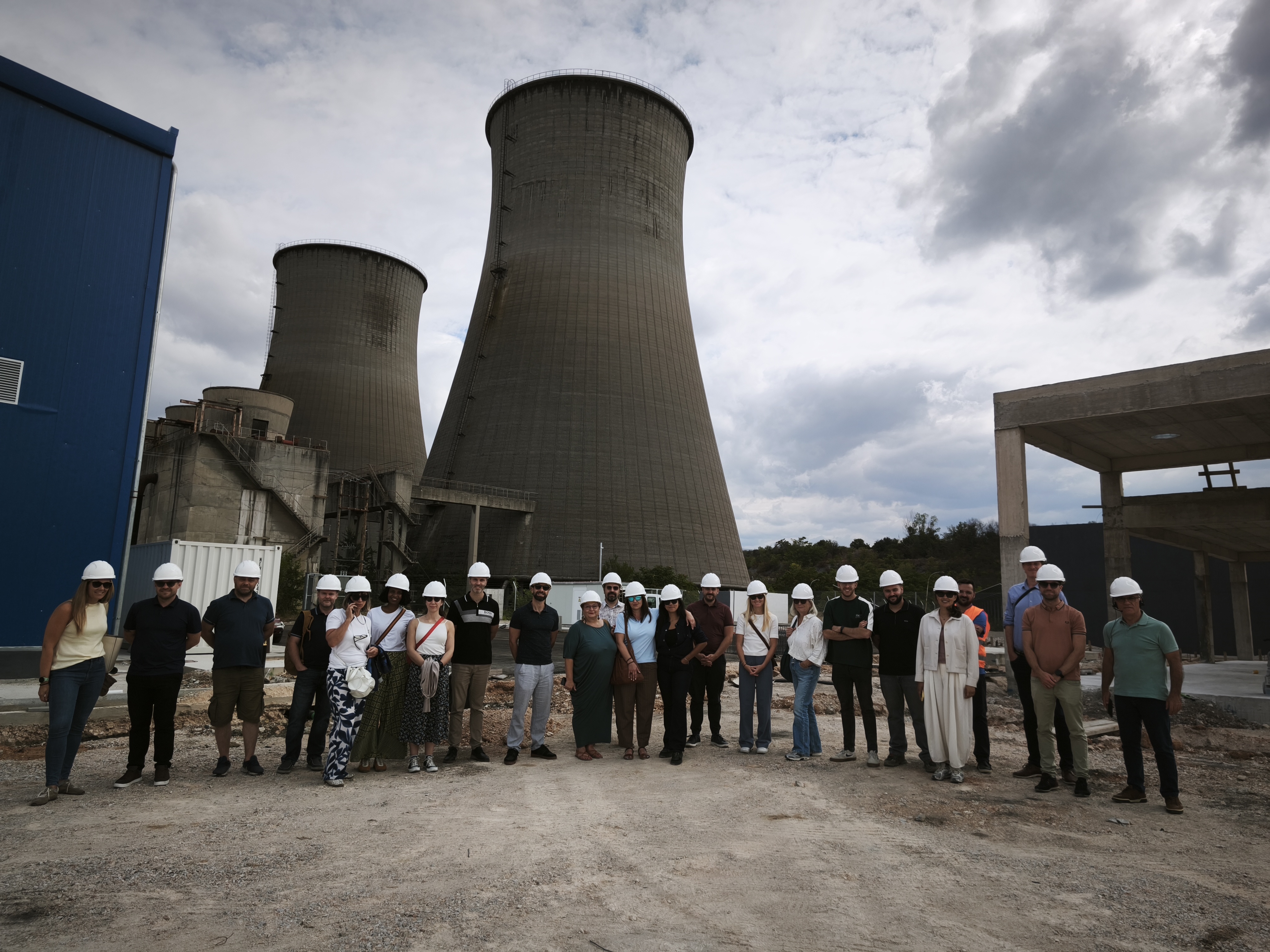
ETN joins COMMIT's seminar in Greece
Energy Transition Norway (ETN) participated in the fifth COMMIT partner meeting in Kozani, Greece.
COMMIT Workshop with ETN and Rogaland fylkeskommune

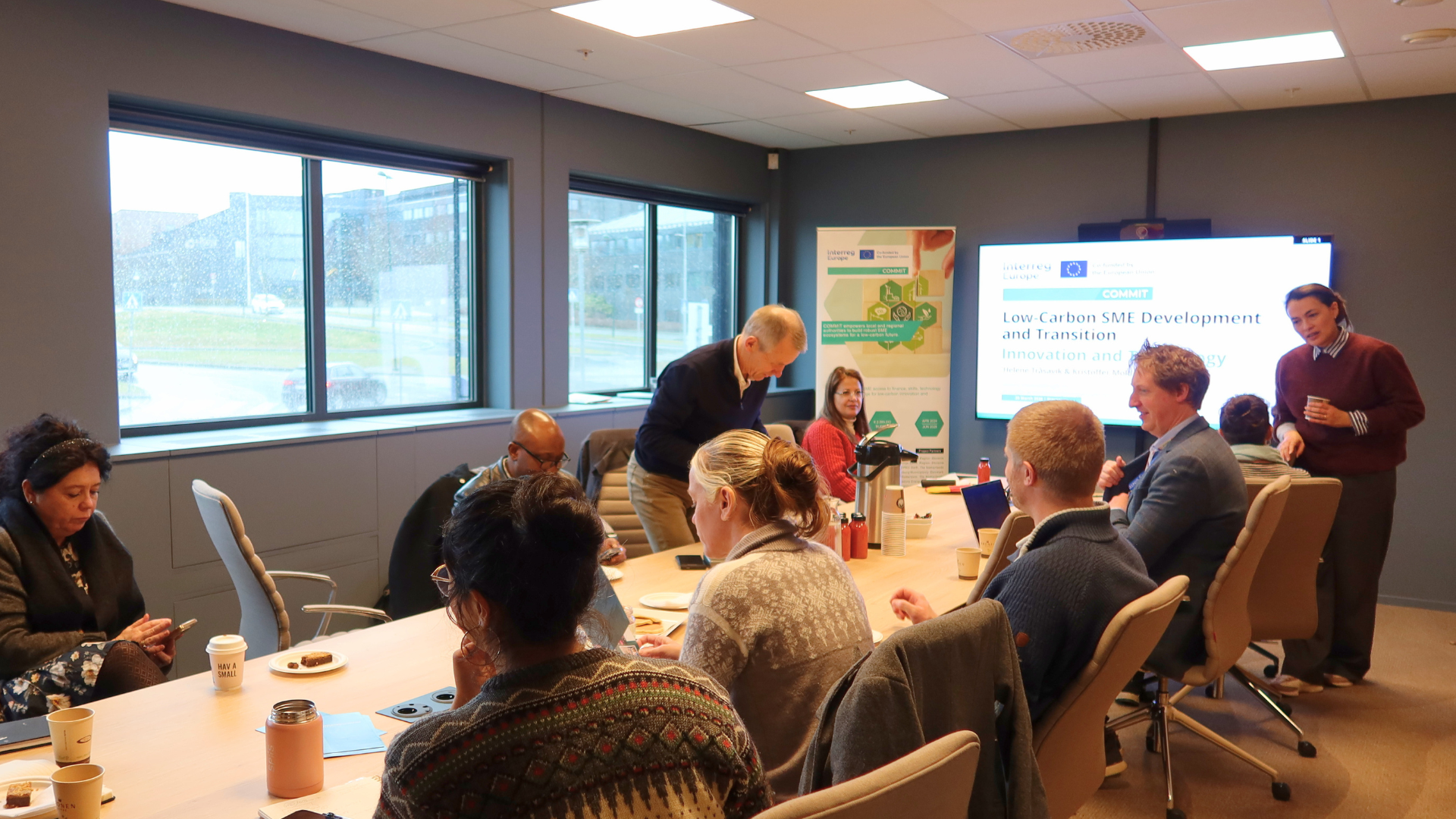

On 25 March, Energy Transition Norway and Rogaland County Council invited small and medium-sized enterprises (SMEs) to a workshop to better understand their experience with low-carbon transition, specifically around access to technology and innovation. The aim was to explore what, if anything, prevents smaller businesses from deploying available solutions, and to gather insights that can inform future policy recommendations.
The workshop is part of COMMIT, a European Interreg project bringing together regional authorities and cluster organisations across eight countries to strengthen support ecosystems for SMEs navigating the green transition. The project addresses four key areas: information and knowledge, innovation and technology, finance, and skills. This semester's focus is on access to technology and innovation.
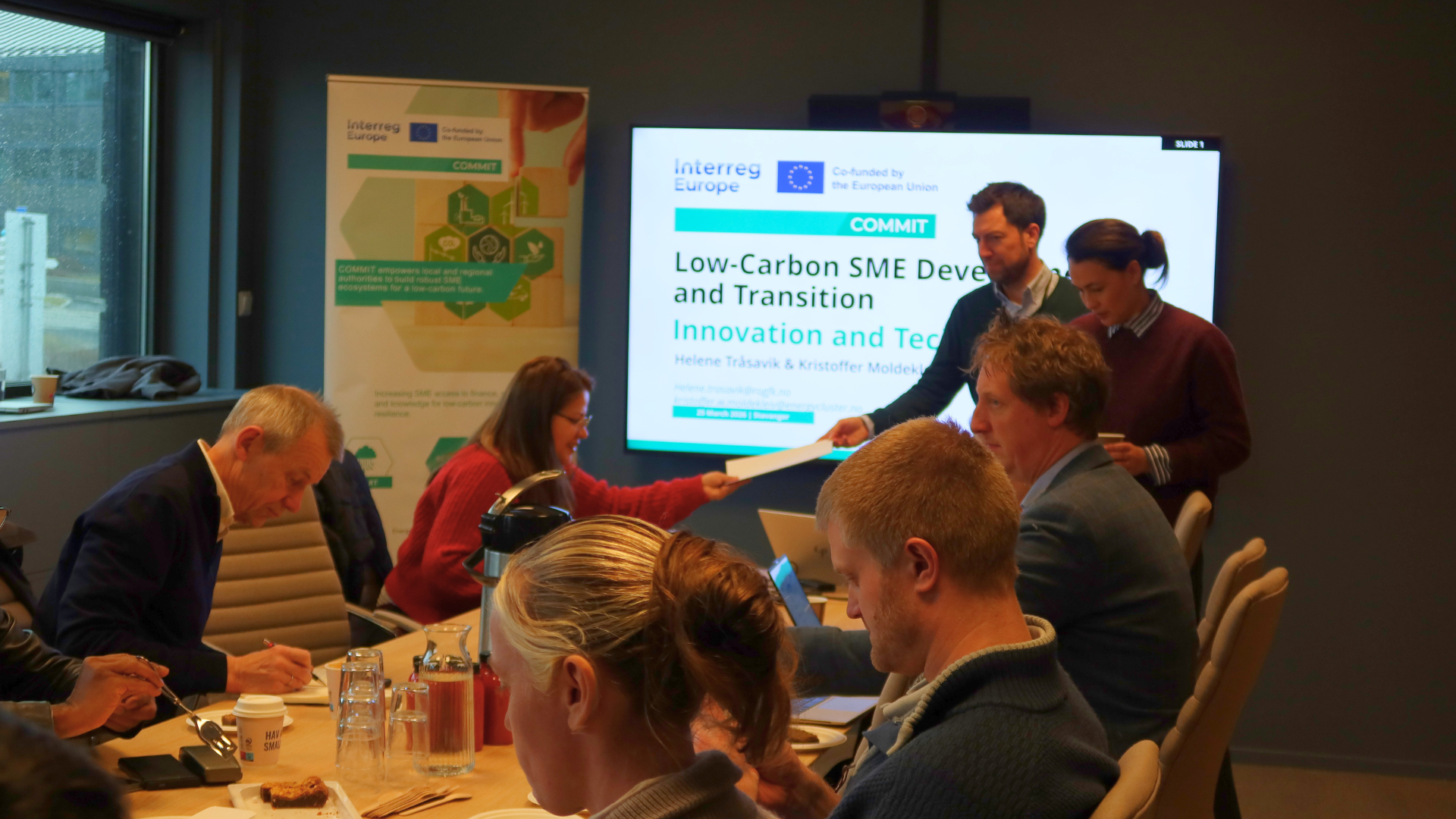
The discussion was open and wide-ranging, and several themes came up repeatedly.
Finance surfaced as a persistent concern, even though it had been the focus of a previous semester. Participants described a gap between public funding requirements — often demanding 50% co-financing — and the practical reality of running an early-stage company. For startups working in niche areas such as CCS logistics or battery energy storage, this matching requirement was seen as a significant obstacle. One participant noted that the time spent navigating funding applications can easily exceed the value of what is realistically obtainable.
Access to skilled labour was raised as a related challenge. The Stavanger region has considerable technical expertise, but much of it is absorbed by larger companies operating under the petroleum tax regime. The point made was not that the competence is absent, but that competing for it at startup scale is difficult.
The pace of technology adoption also came up. Several participants pointed to conservative approval and standardisation processes as a friction point for emerging technologies, with the concern that slower-moving systems can cause companies to miss windows of opportunity in fast-moving markets.
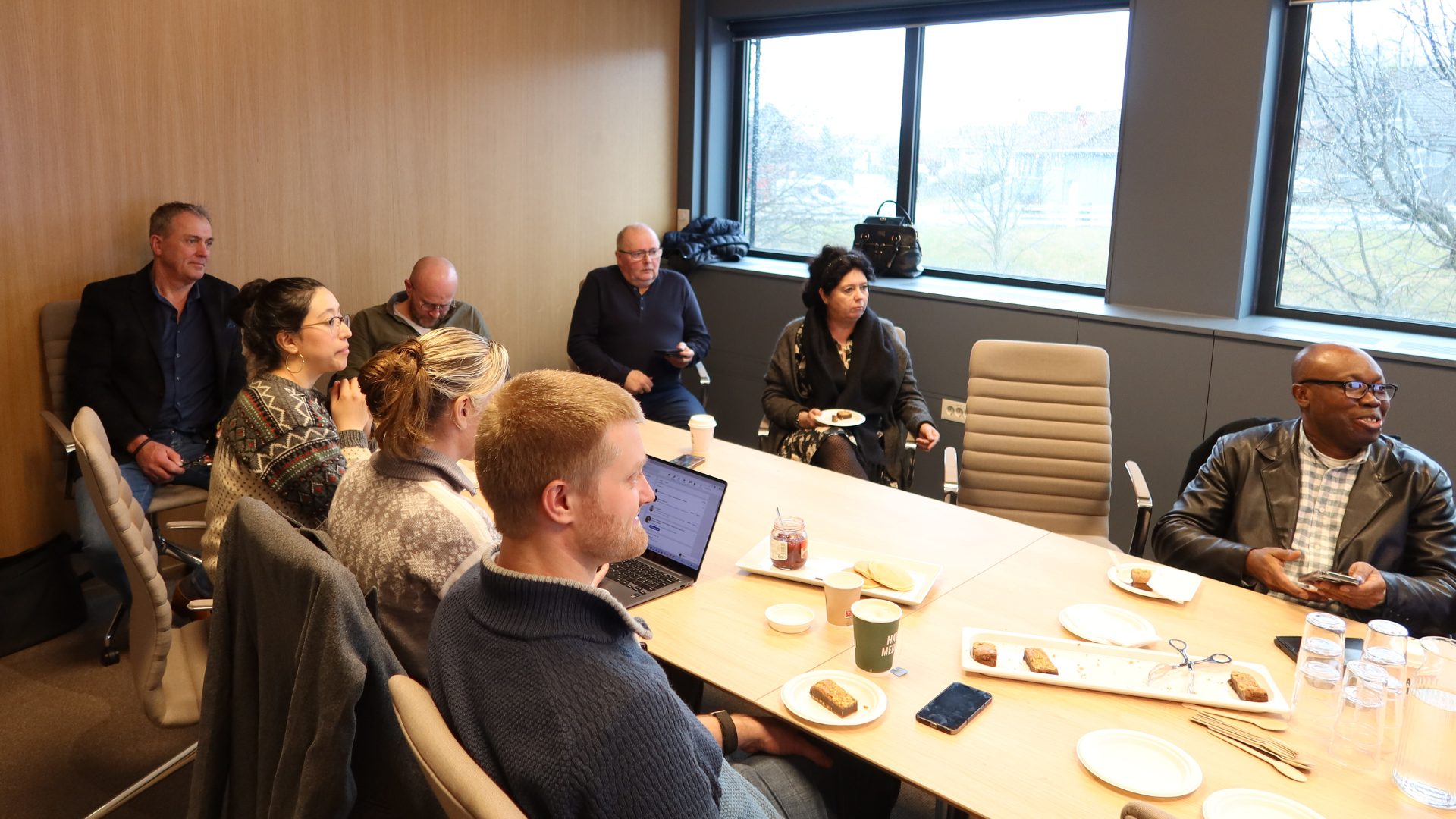
Beyond funding, participants highlighted the absence of practical collaboration platforms between SMEs and larger companies as a concrete barrier. The issue raised was not always about access to capital, but about access to the projects and decision-makers where new technologies can actually be tested and adopted.
The conversation also touched on the role of regional authorities. Rather than focusing solely on funding, some participants suggested that regional bodies could play a more useful role as facilitators — helping to validate ideas, connect different parts of the supply chain, and improve coordination between funding instruments at local, national, and European levels.
The Stavanger region was noted as having a strong international reputation, particularly in areas where oil and gas expertise is directly transferable to energy transition applications — something several participants saw as an underutilised asset.
The findings from the workshop will feed into COMMIT's ongoing policy work. Energy Transition Norway and Rogaland fylkeskommune will continue to host workshops on related themes in the semesters ahead.

.png)