
ETN joins COMMIT's seminar in Greece
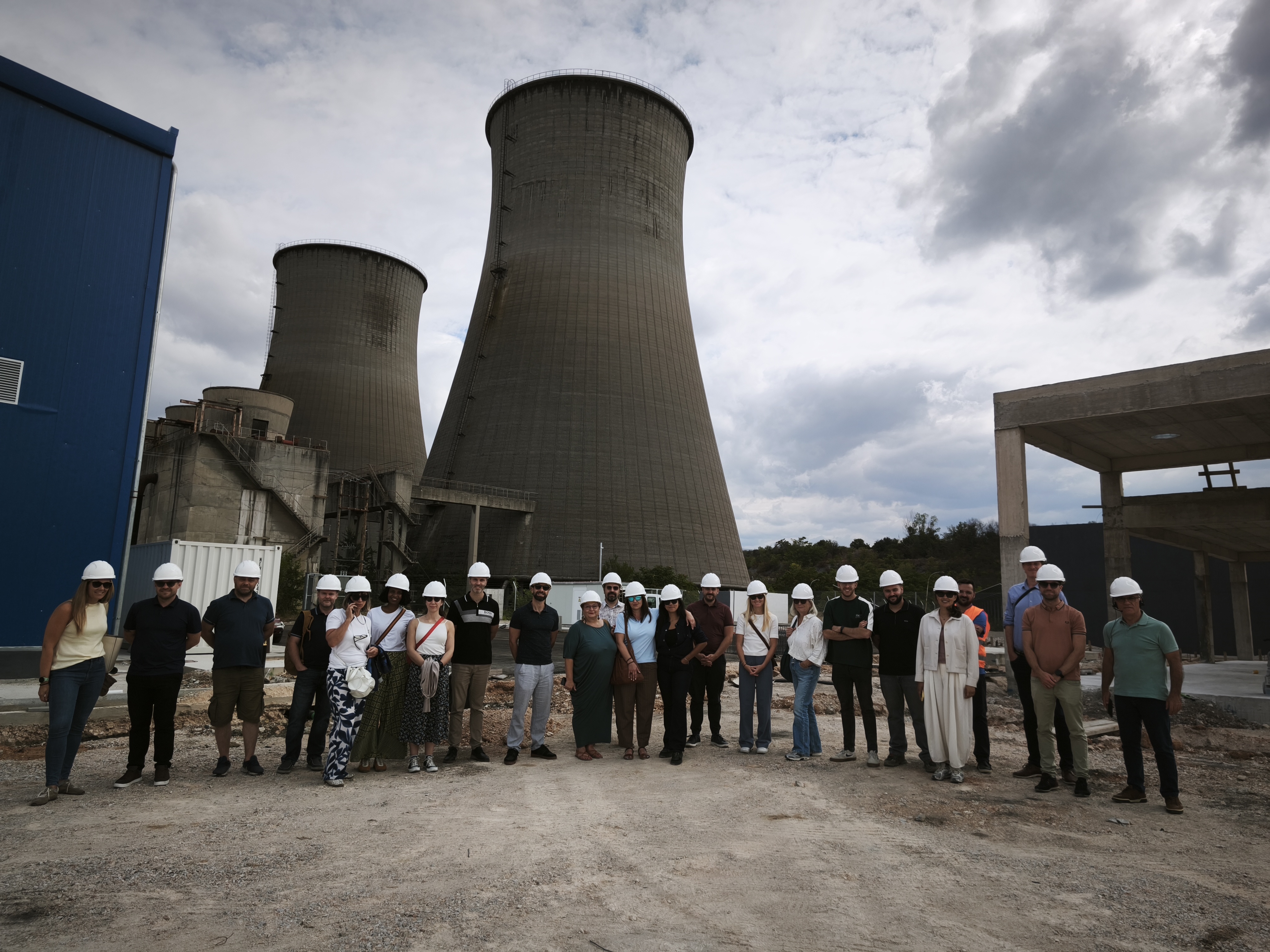
Energy Transition Norway (ETN) participated in the fifth COMMIT partner meeting in Kozani, Greece.
An inside look at the collaboration driving energy innovation.

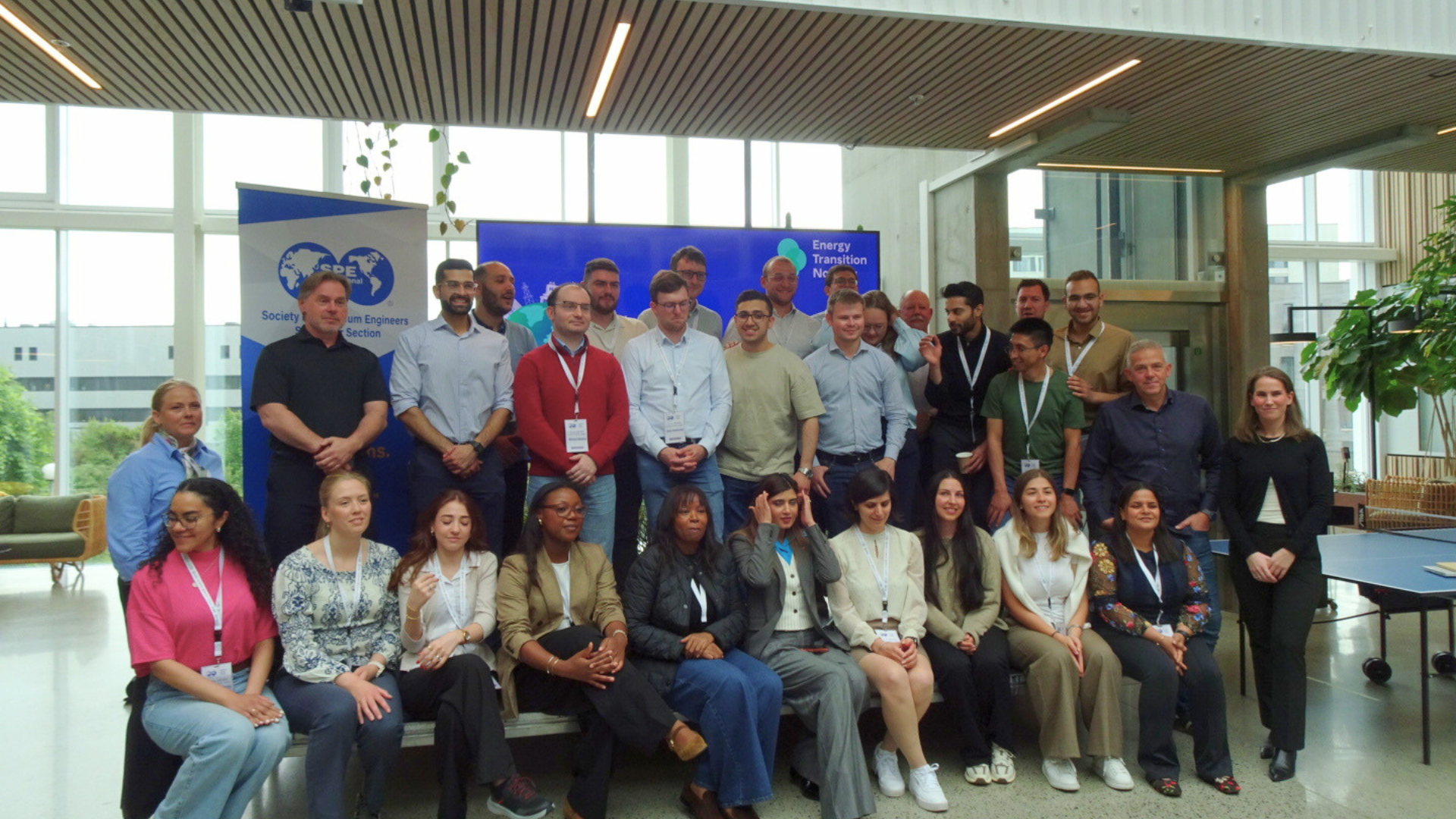

The three-day programme, themed "Competing in a Fragmented Energy World", brought together SPE young professionals from local and international backgrounds for a mix of networking, technical learning and knowledge exchange. ETN's session carried its own title: "The Cluster Model: Connecting Industry to Drive Energy Transition Impact."
Hege E. Anglevik (Members and events manager, ETN) opened the session with an introduction to Energy Transition Norway and the cluster model — how clusters function as connectors between companies, research institutions and public actors, and why that structure matters for driving innovation in the energy transition. The question that followed was a natural one: what does that look like in practice?
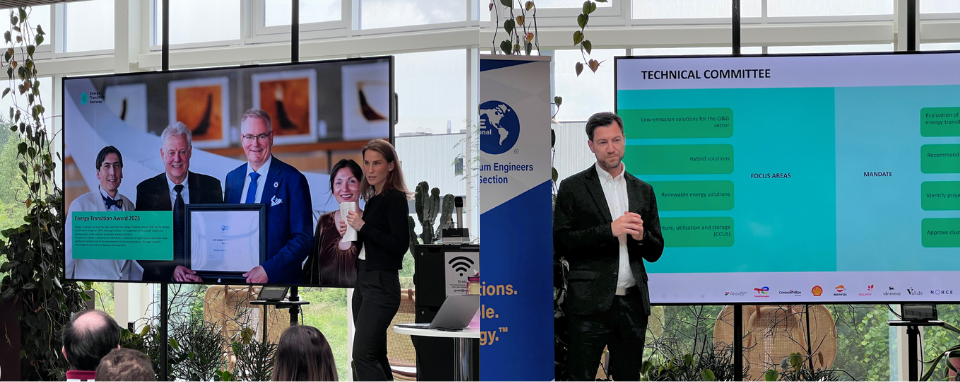
Kristoffer W. Moldekleiv, EU adviser at ETN, walked participants through how the cluster translates collaboration into concrete outcomes. Central to this is ETN's Technical Committee, where major operators on the Norwegian Continental Shelf evaluate project ideas against real industry challenges. The committee provides innovators with direct access to end users, helping ensure that projects address needs the industry is willing to invest in.
Three cluster projects gave participants a concrete sense of what this looks like in practice. Kjell Erik Drevdal presented GRaPA — Go Radical P&A — a project focusing on more efficient and cost-effective solutions for plugging and abandoning wells, applying competence built through decades of oil and gas operations to one of the industry's most pressing decommissioning challenges.
Terje Hauan (director of business development, SEID) introduced a perspective that reframed the energy transition discussion. Rather than focusing on reducing CO2 emissions alone, he argued for shifting attention to where value can be created by avoiding emissions in the first place. SEID’s project, ColdSpark, explores methane splitting as a pathway to clean hydrogen — an approach that puts industrial value creation at the centre of the transition.
Erik Svanes presented Flex2Future, a project combining offshore wind, wave power and solar energy to develop integrated renewable systems. The project recently completed a significant technology test — a milestone that illustrates how cluster projects move from concept to validation.
The session closed with a presentation from Lisbeth Sørgård Kjøpstad of EDIH Oceanopolis and Nordic Edge — a fellow cluster and close collaborator of ETN — on digitalisation and what it means for companies navigating the energy transition.

It was a genuine pleasure to host such an engaged group. Questions continued throughout the session and well into the breaks, reflecting both the complexity of the energy transition and the interest among young professionals in understanding how new technologies move from concept to implementation.

.png)