
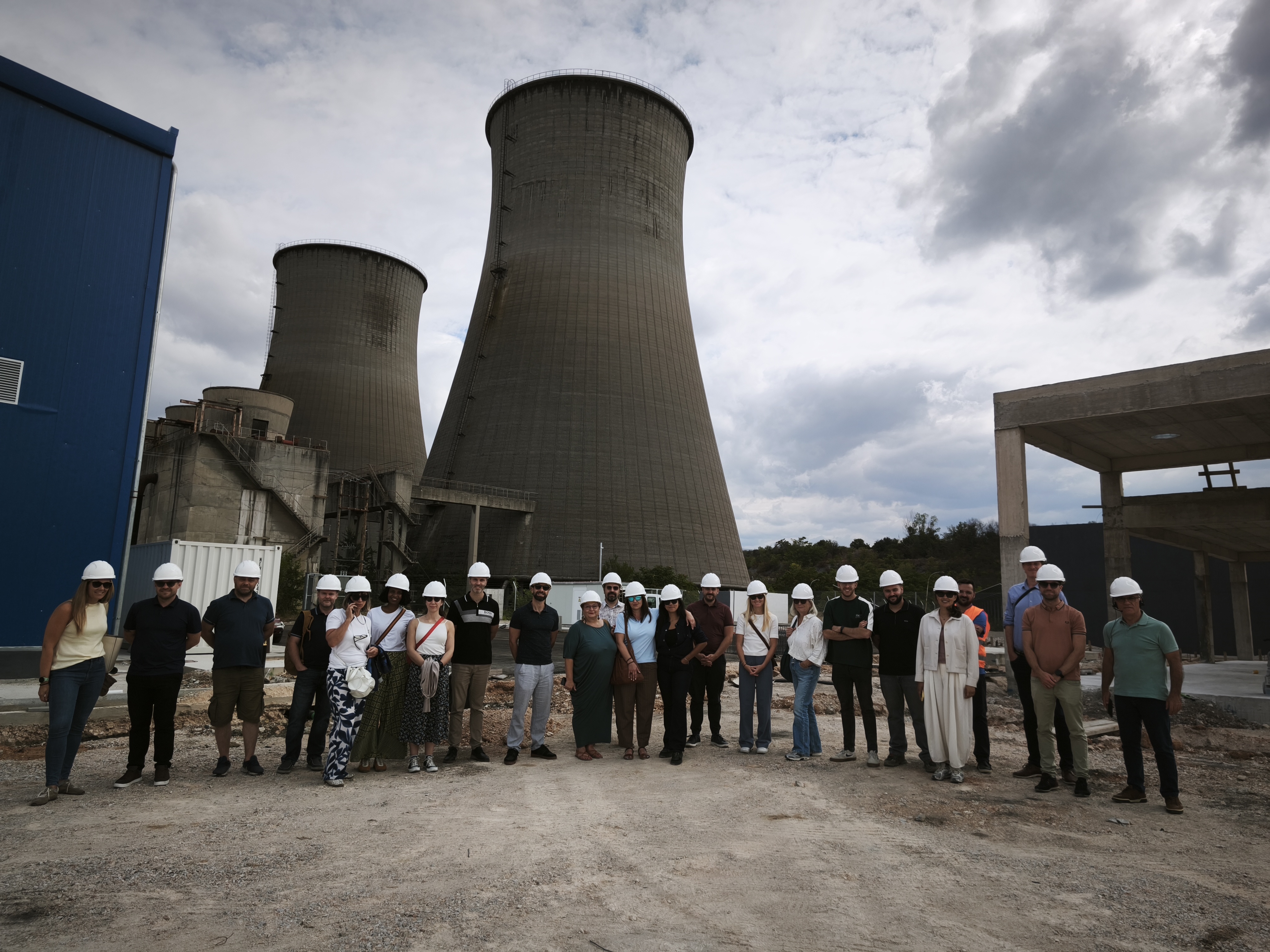
ETN joins COMMIT's seminar in Greece
Energy Transition Norway (ETN) participated in the fifth COMMIT partner meeting in Kozani, Greece.
Insights from the NTNU Energy Transition Week 2026

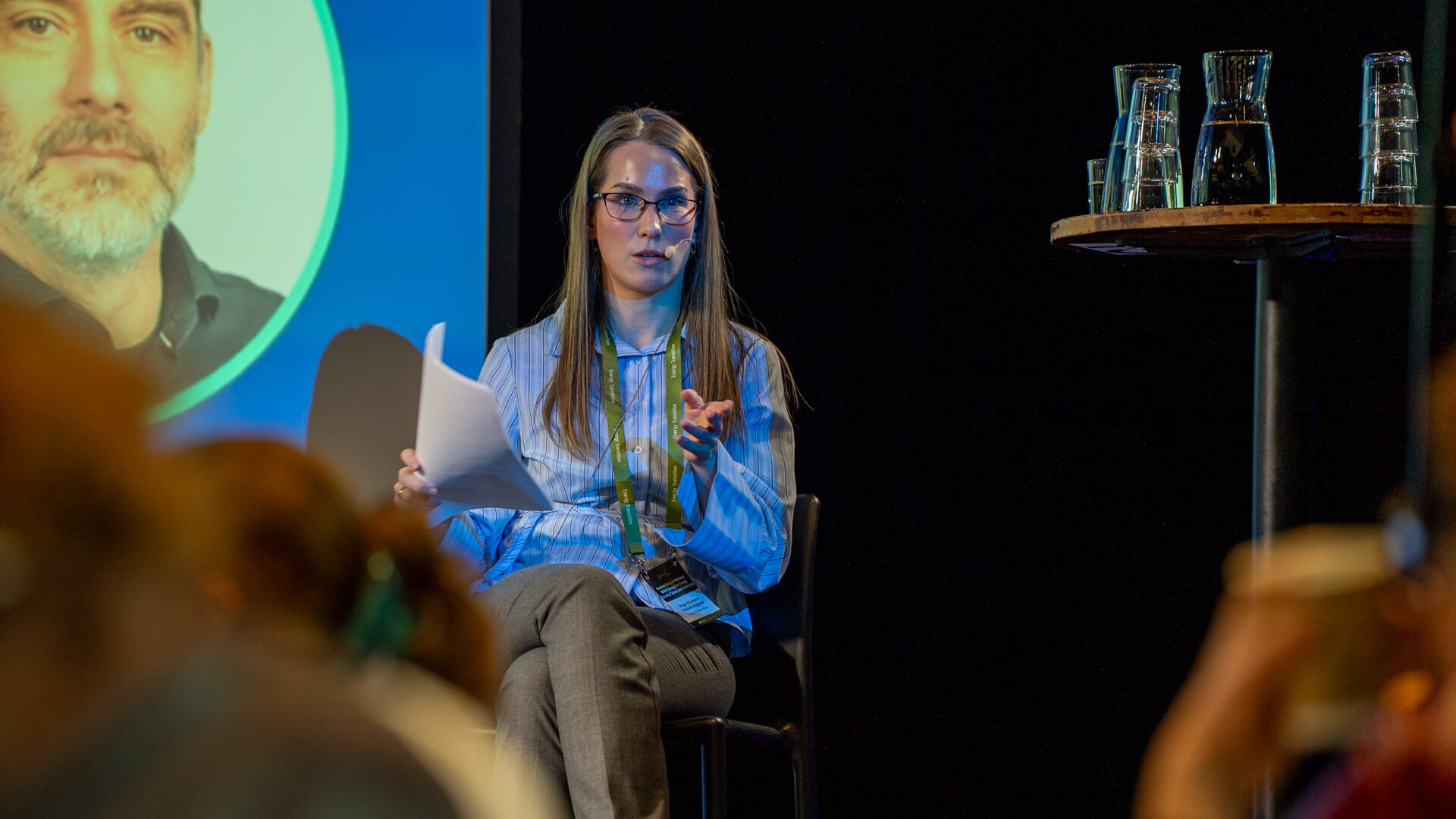

During Energy Transition Week 2026 in Trondheim, Energy Transition Norway (ETN), together with NTNU, hosted a workshop on nuclear energy and energy security. The session brought together researchers and industry representatives to explore a topic that is gaining attention in Norway:
Can nuclear energy contribute to energy security in the years ahead?
The discussion took place in a context of rising power demand and increasing focus on system reliability. While Norway’s hydropower system has historically provided stability and flexibility, growing electrification and industrial ambitions are changing how the system operates.
Nuclear energy has, within a relatively short time, moved from being largely absent in Norwegian energy discussions to becoming part of a broader conversation across research, policy and industry.
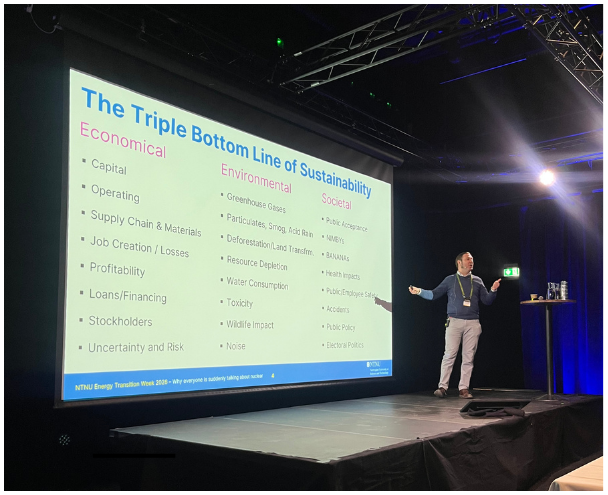
The session opened with a system-level introduction by Thomas Alan Adams (NTNU), who emphasised the importance of understanding nuclear in context:
– You cannot evaluate nuclear without understanding how it interacts with other energy sources.
At the same time, the discussion remains at an early stage. Nuclear is being explored as a long-term option rather than a near-term solution.
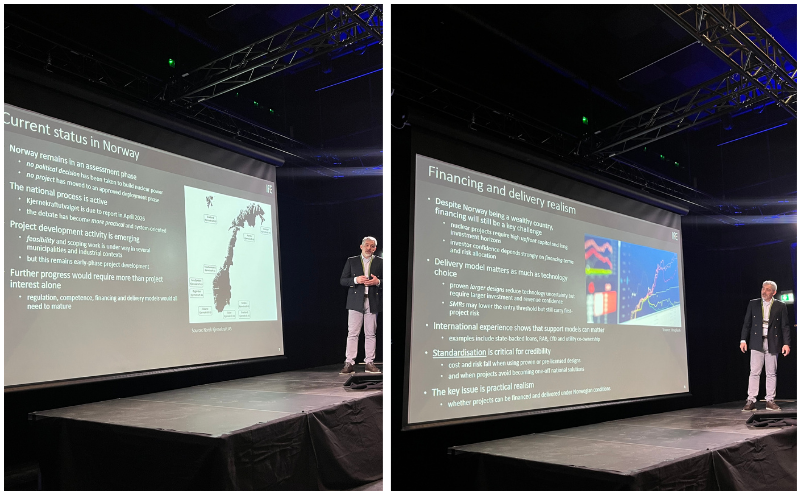
A consistent point throughout the workshop was that nuclear energy does not address short-term power needs. Development timelines are long, and any potential deployment would require extensive work on regulatory frameworks, financing structures, supply chains and competence.
As István Szőke (Institute for Energy Technology) highlighted:
– Nuclear power is not an immediate solution for our immediate power needs, but there are some immediate things we need to do in the country so that it remains as an option.
This aligns with the conclusions from the Norwegian nuclear committee (Kjernekraftutvalget), which recommends building competence and keeping the option open rather than committing to development at this stage. Establishing nuclear power in a new country would take decades and require significant investment in infrastructure and regulatory capacity.
A central theme was how energy security is understood in practice. Several contributions focused on the system’s ability to deliver power during periods of high demand, rather than total annual production.
During the panel discussion, Jonas Nøland (NTNU), known for his book Energikrisen – og løsningen på den, contributed with perspectives on how energy systems are assessed. His work highlights energy security and system reliability, including how evaluation criteria shape decision-making. He emphasised the importance of looking beyond price alone and considering how different energy sources contribute to system robustness.
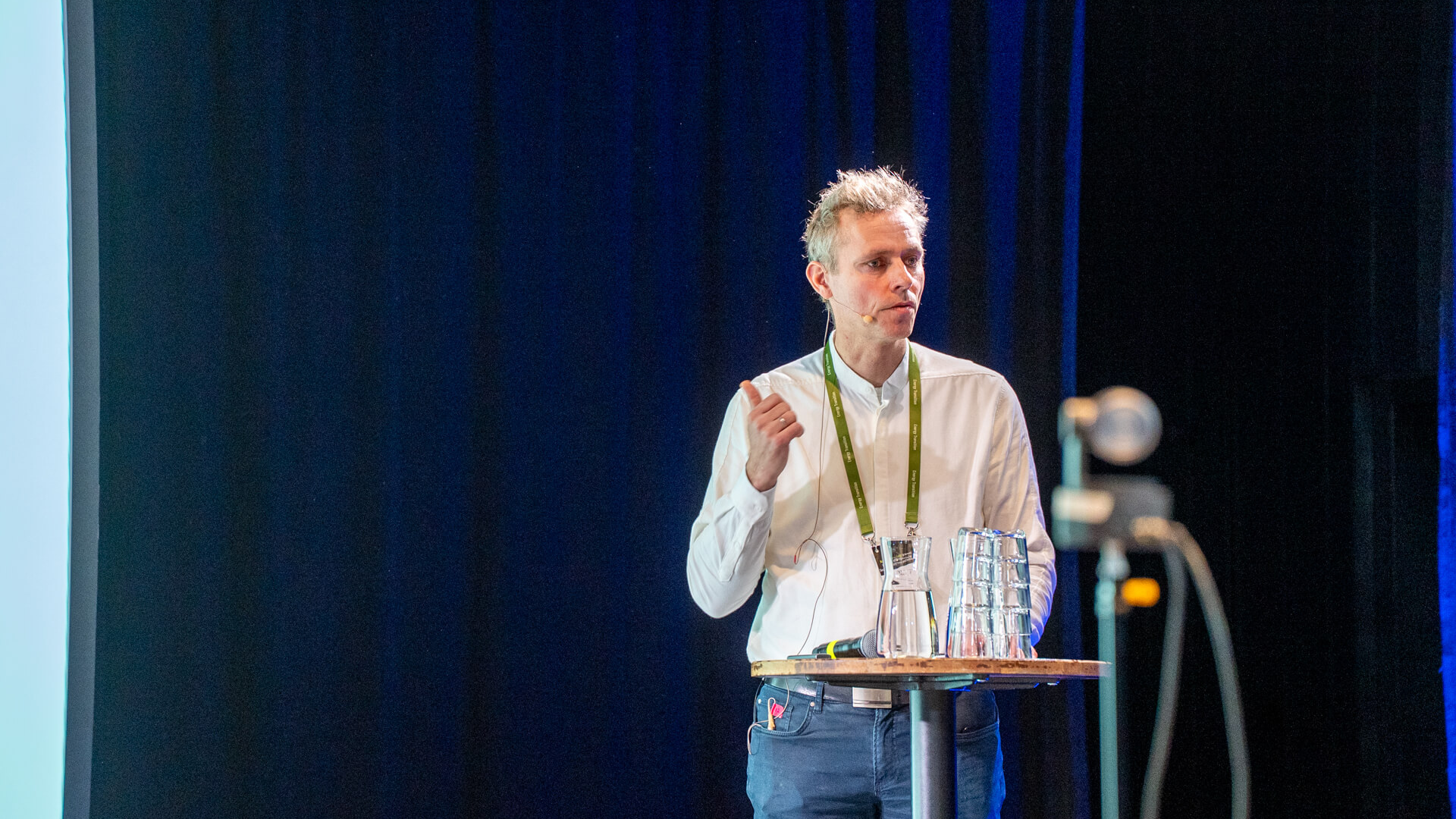
Ola Borten Moe (Trondheimsleia Kjernekraft AS / Norsk Kjernekraft) pointed to a related aspect:
– No one asks: what is the cost of not having stableenergy?
This perspective places attention on reliability and predictability as key elements of energy security. The relevance extends beyond nuclear energy, and relates to how different technologies contribute to balance in the overall system.
Cost remains a key issue. The nuclear committee estimates that nuclear energy is currently significantly more expensive than projected electricity prices in Norway, and that large-scale deployment would be required to justify investments in infrastructure, regulation and waste management.
At the same time, the workshop highlighted that costs are closely linked to execution. As noted during the discussion:
– The variability in cost is not really the technology—it’s delays, financing, and project execution.
This places emphasis on governance, planning and coordination as important factors for any potential development.
From a project perspective, nuclear energy was described as a potential addition to the energy system, rather than a replacement for existing sources.
This reflects a broader development where increasing demand requires expansion across multiple energy sources. In this context, nuclear is one of several technologies being explored to contribute to long-term capacity and stability.
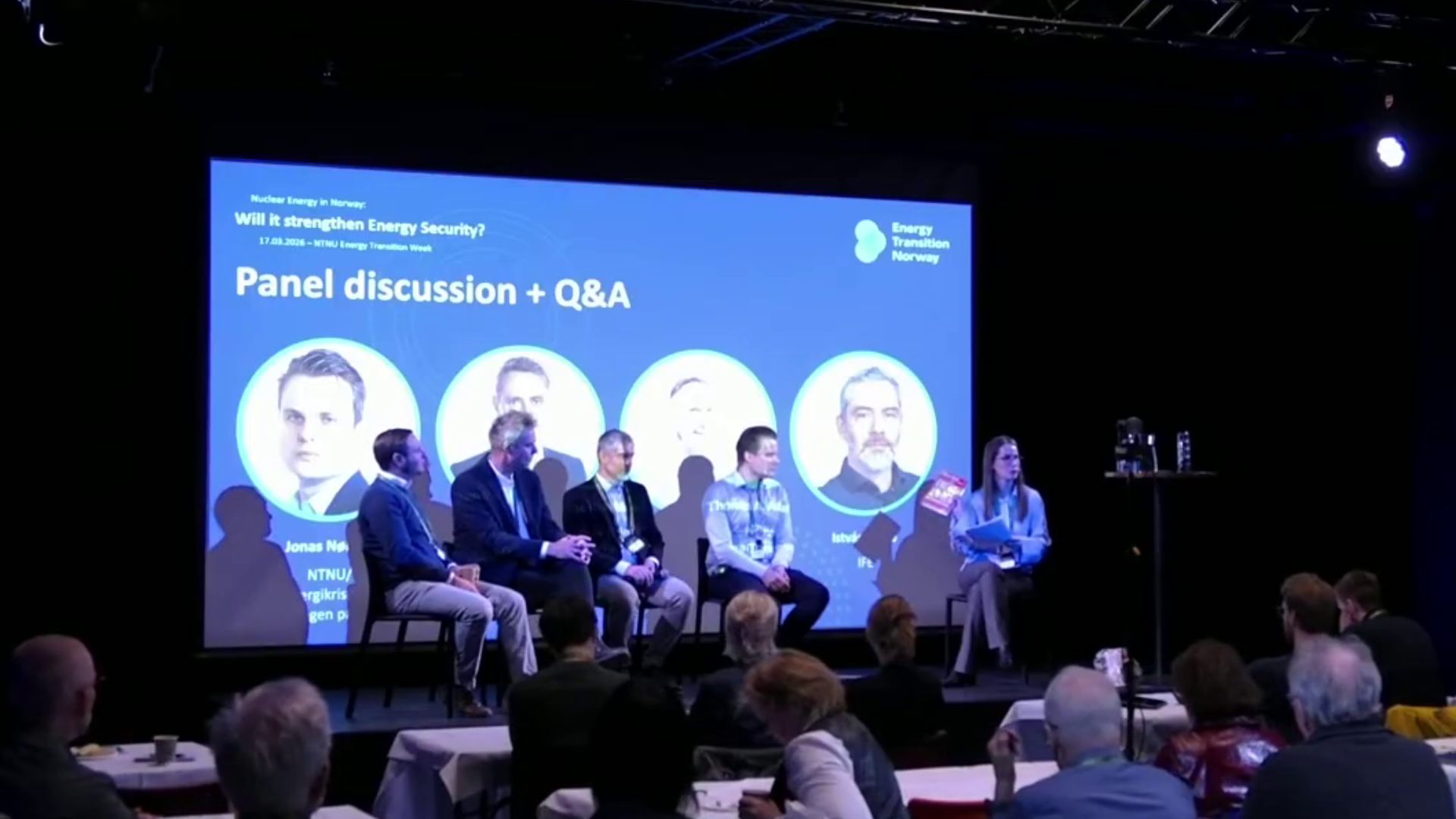
From a project perspective, nuclear energy was described as a potential addition to the energy system, rather than a replacement for existing sources.
This reflects a broader development where increasing demand requires expansion across multiple energy sources. In this context, nuclear is one of several technologies being explored to contribute to long-term capacity and stability.
Nuclear energy in Norway remains in an exploratory phase, shaped by long timelines, regulatory requirements and economic uncertainty.
The workshop highlighted that nuclear is being considered as part of a wider discussion on energy security and system reliability. Whether it will play a role in Norway’s future energy system remains an open question.

.png)