
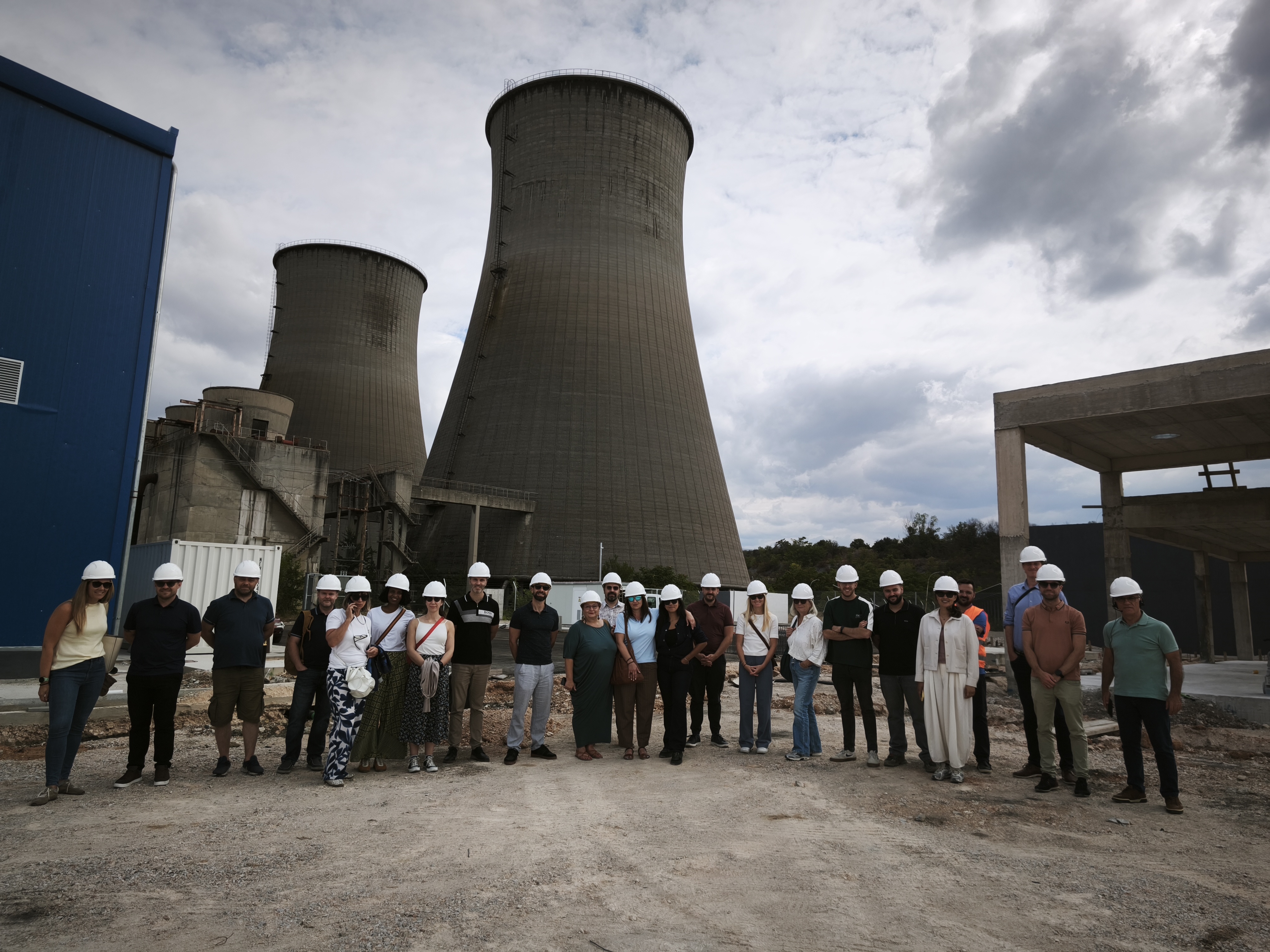
ETN joins COMMIT's seminar in Greece
Energy Transition Norway (ETN) participated in the fifth COMMIT partner meeting in Kozani, Greece.
Stavanger startup is developing technology to reduce rig dependency in P&A - with a lighter operational footprint.

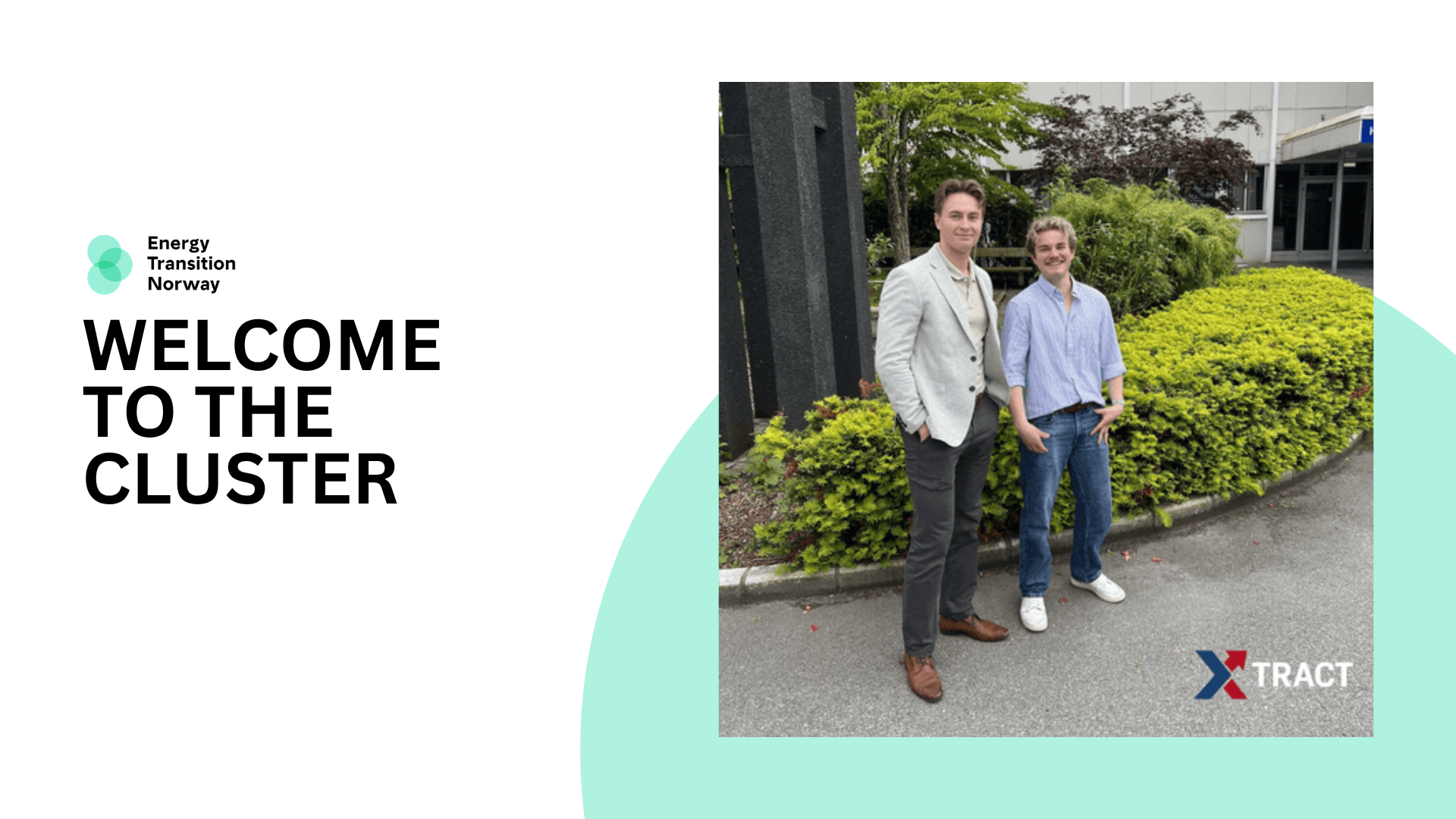

Energy Transition Norway is pleased to welcome XTract as a new member of the cluster. The Stavanger-based company develops technology for plugging and abandonment (P&A) of oil and gas wells, helping operators simplify operations that would otherwise require significant offshore resources.
When an oil and gas well reaches the end of its productive life, it must be permanently sealed to remain safe for decades to come. This process — plugging and abandonment, or P&A — involves establishing and verifying barriers inside the well to prevent future leakage. Some of the operations required depend on large rigs, as removing equipment and tubing from the well is a heavy procedure. With rig availability affecting both schedules and costs, reducing the amount of rig-dependent work in a given campaign can make a significant difference for the operator.
XTract is developing a downhole tool that allows selected operations to be carried out using wireline instead. Wireline tools are lowered into the well on a cable and can be deployed with a lighter operational setup, giving operators more options when planning abandonment work.
One important step in P&A is verifying the quality of the existing cement surrounding the well. The cement forms part of the permanent barrier and must prevent fluids from migrating towards the surface. Commercially available logging tools are currently unable to log cement through more than one pipe, which means additional pipes typically need to be removed before inspection can take place.
XTract’s technology creates a localised opening in the production tubing at a given interval that needs to be inspected. This allows operators to log and verify cement quality behind the pipe without retrieving the full production string or removing existing subsea pressure-control equipment — keeping the operation leaner and the rig time shorter.
The concept originated at the Universityof Stavanger from an idea by Professor Mahmoud Khalifeh, who is now a strategic and technical adviser to XTract. Co-founders Sander Sand and Jon Byrud have developed the solution further in dialogue with operators and service companies, using technical and commercial feedback to validate the market need and to mature the technology.
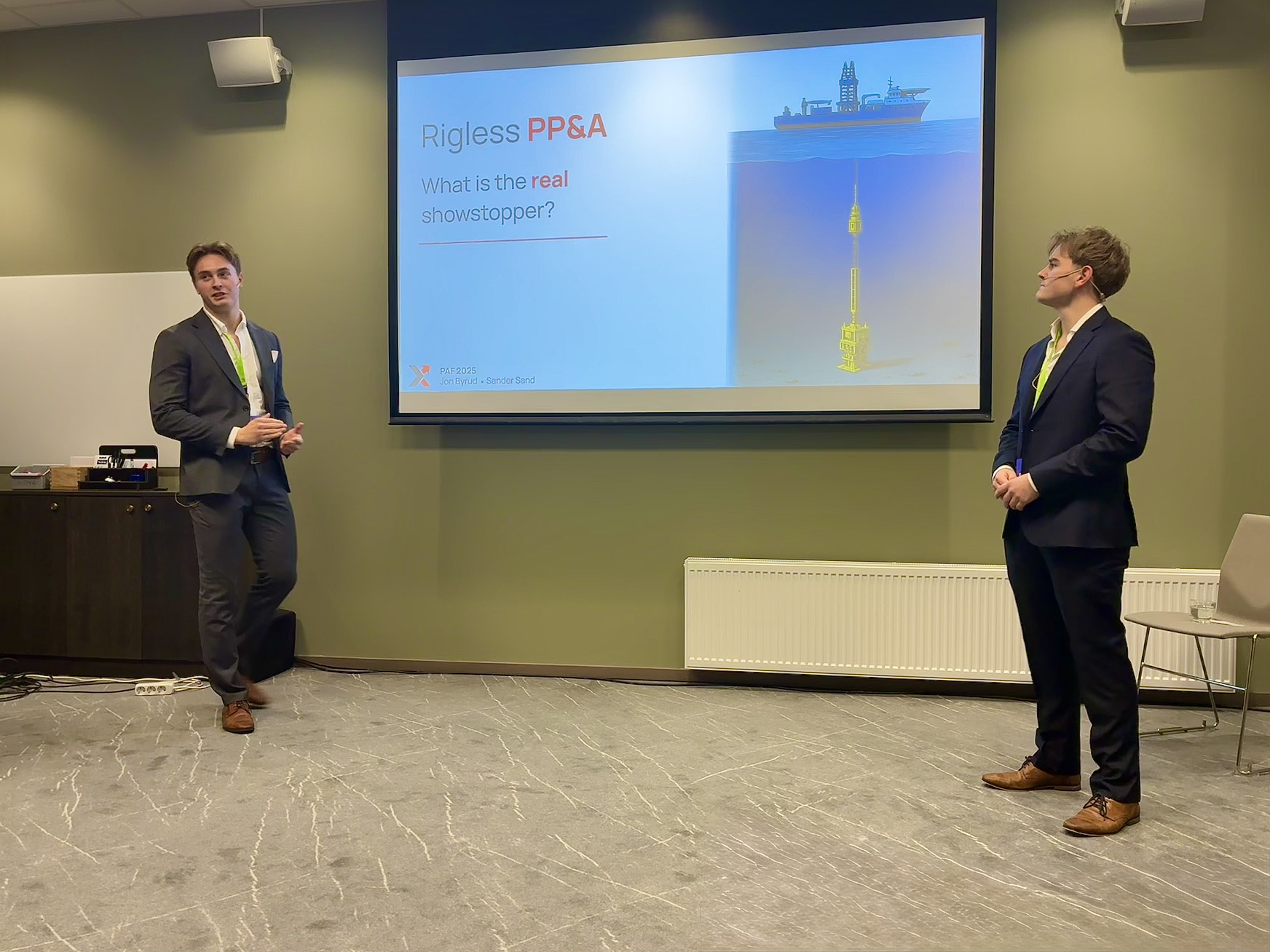
The benefits can extend beyond the operation itself. Fewer rig-intensive activities can reduce fuel use, while less pipe retrieved results in fewer vessels needed for transport, material handling and steel waste. With a large and increasing volume of wells eventually requiring permanent abandonment, improvements at the individual well level can add up across larger campaigns.
XTract aims to help the industry carry out this necessary work with fewer resources, lower emissions and greater operational flexibility.
We look forward to following XTract’s development and exploring opportunities for collaboration across the ETN network.

.png)