
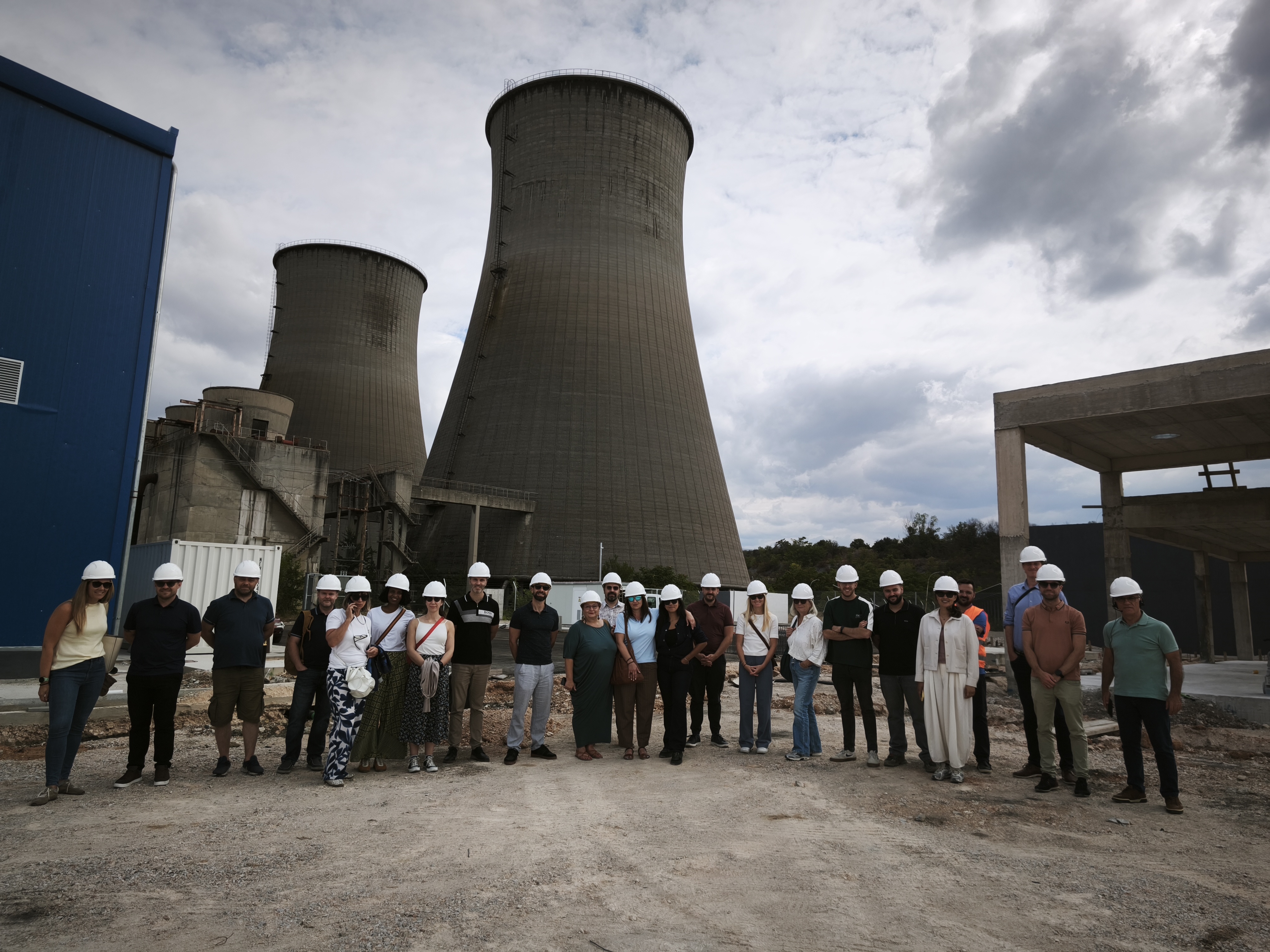
ETN joins COMMIT's seminar in Greece
Energy Transition Norway (ETN) participated in the fifth COMMIT partner meeting in Kozani, Greece.
Formal annual meeting, where the cluster stands today and where it is heading next.

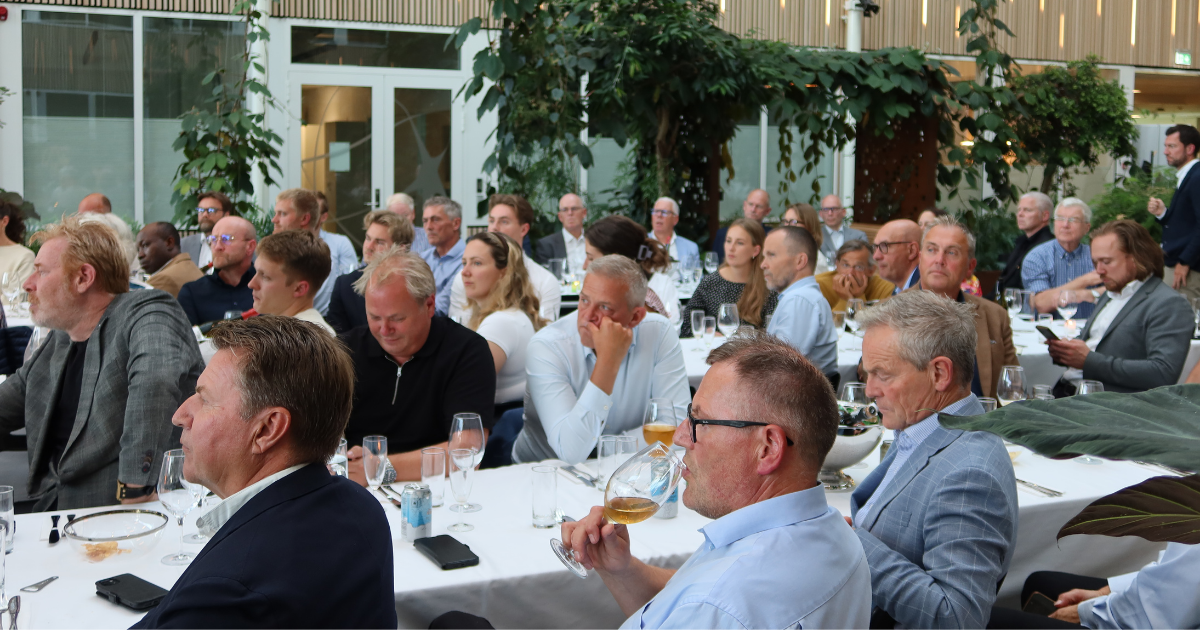

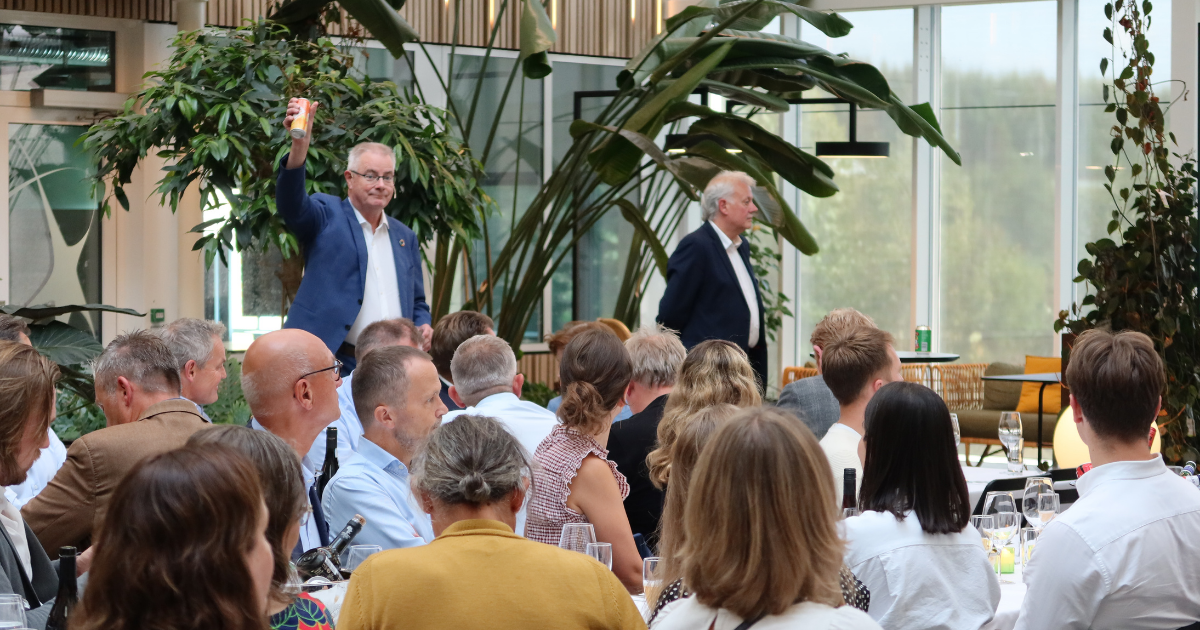
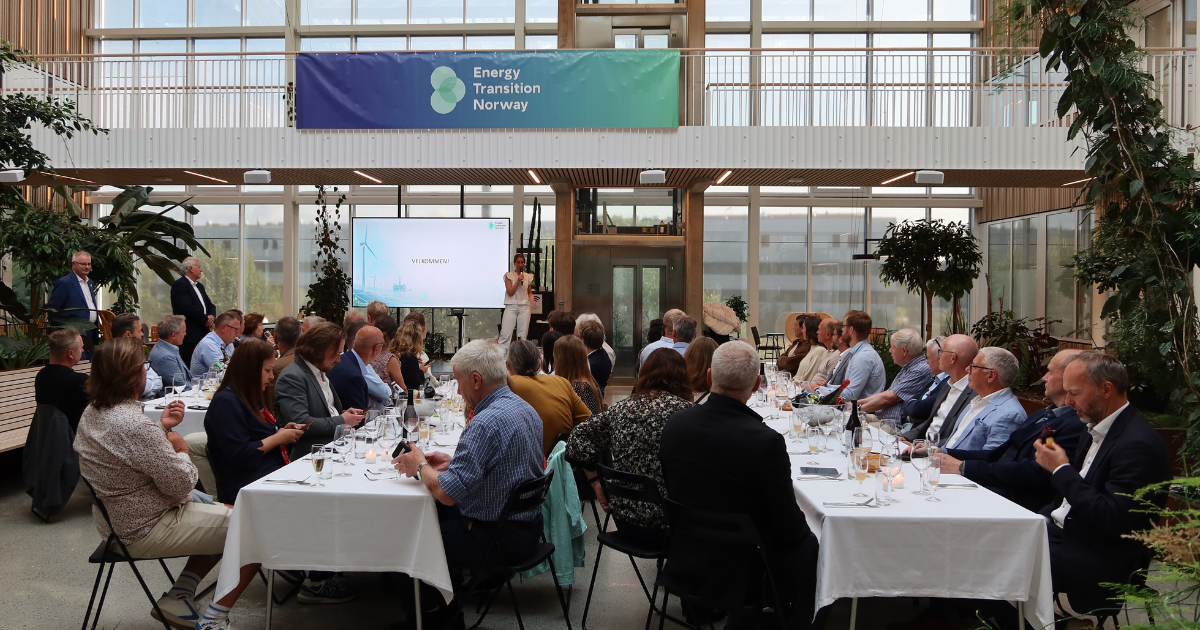
Energy Transition Norway gathered members and partners in Stavanger on 19 August for its 2026 annual meeting and summer celebration. Beyond the formal annual meeting, the evening offered a snapshot of where the cluster stands today — and where it is heading next.
With 165 members and collaboration partners across industry, research, finance and the public sector, ETN continues to grow as a meeting point for companies working across both established and emerging energy value chains. At the same time, a growing part of the cluster’s work is focused on turning that network into concrete innovation projects.
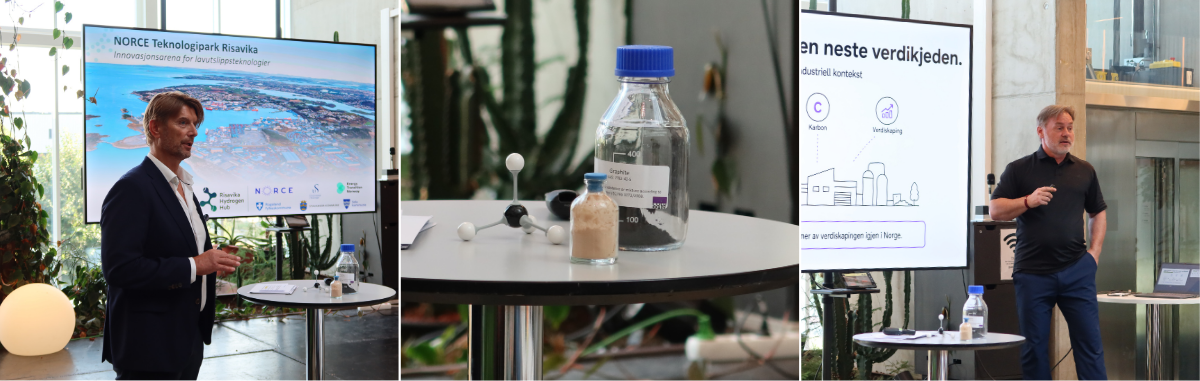
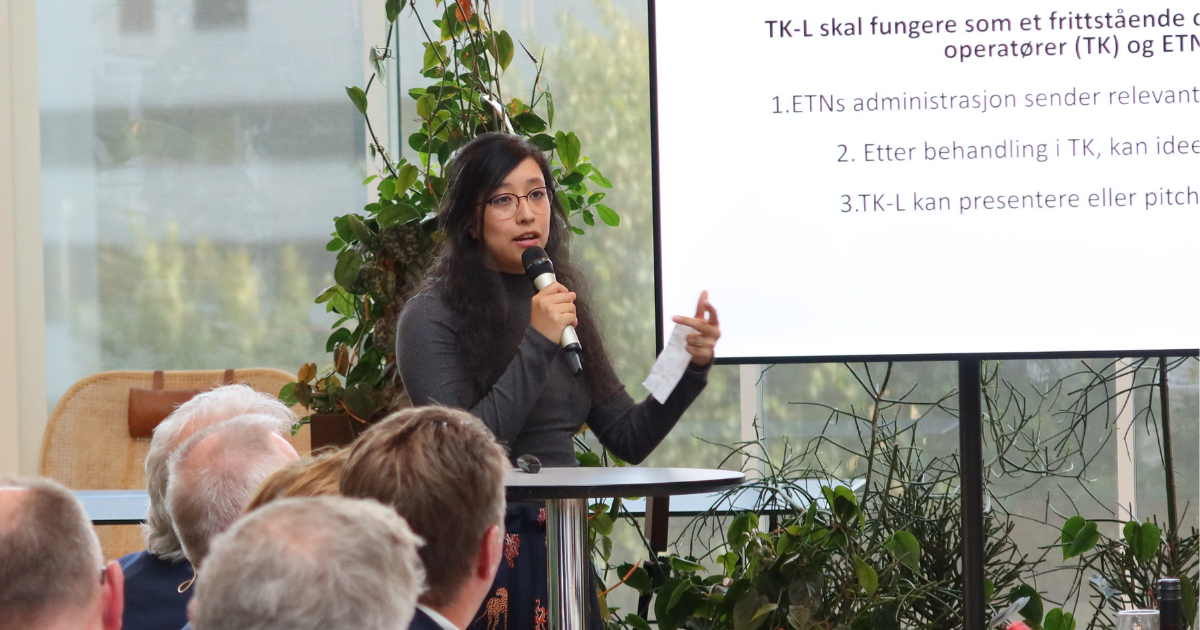
One of the developments presented during the evening was the new Technical Committee for Suppliers (TK-L).
ETN's existing Technical Committee is one of the cluster's central instruments for innovation: a forum where major operators on the Norwegian Continental Shelf evaluate and develop project proposals from cluster members, giving promising ideas direct exposure to industry needs and potential operator engagement.
TK-L extends this model to larger supplier companies, adding another perspective to the development and evaluation of new projects. Together, the two committees create a broader innovation arena where operators, suppliers and smaller technology companies can contribute through a shared structure.
From ETN's own innovation model, the programme moved to the wider forces shaping the energy industry.
Thomas Sattich from the University of Stavanger explored energy as a geopolitical instrument, starting with a simple question: what kind of instrument is energy when used geopolitically?
He traced how states have historically used energy to build influence, apply pressure and shape alliances, before bringing the discussion to today's energy transition. In this perspective, the transition is not only about climate and technology, but also about security, competitiveness and international relations. Understanding how energy security and the transition interact is therefore becoming increasingly relevant for companies working across the sector.
The discussion then turned to how the Norwegian energy industry can collaborate more broadly.
Tor Arnesen presented Energy Cluster Norway, the new national collaboration platform bringing together Energy Transition Norway, GCE Ocean Technology and Energy Valley. Through ECN, the three clusters will combine networks, project activity and industry connections to create more opportunities for members across regions and energy value chains.
The formal launch of Energy Cluster Norway takes place at ONS on Monday, 24 August.
The formal programme ended by giving the stage to three of ETN's newer members, each with five minutes to introduce their company and technology.
XTract develops downhole technologies for permanent plugging and abandonment of oil and gas wells, with a focus on making P&A operations more efficient and reducing dependence on large offshore equipment.
FlexPartner develops software for flexible local energy communities and flexibility markets. Its platform uses AI and machine learning to help coordinate and optimise local energy production, consumption and flexibility.
Enetech develops off-grid energy solutions for commercial and industrial applications, combining technologies such as hydrogen fuel cells, solar power and battery storage.
The pitches brought the programme back to where much of ETN's work starts: with companies developing solutions and looking for the right partners, customers and opportunities to take them further.
From there, the formal programme ended and the summer celebration continued — with time for members and partners to catch up, make new connections and continue the conversations from the stage.

.png)