
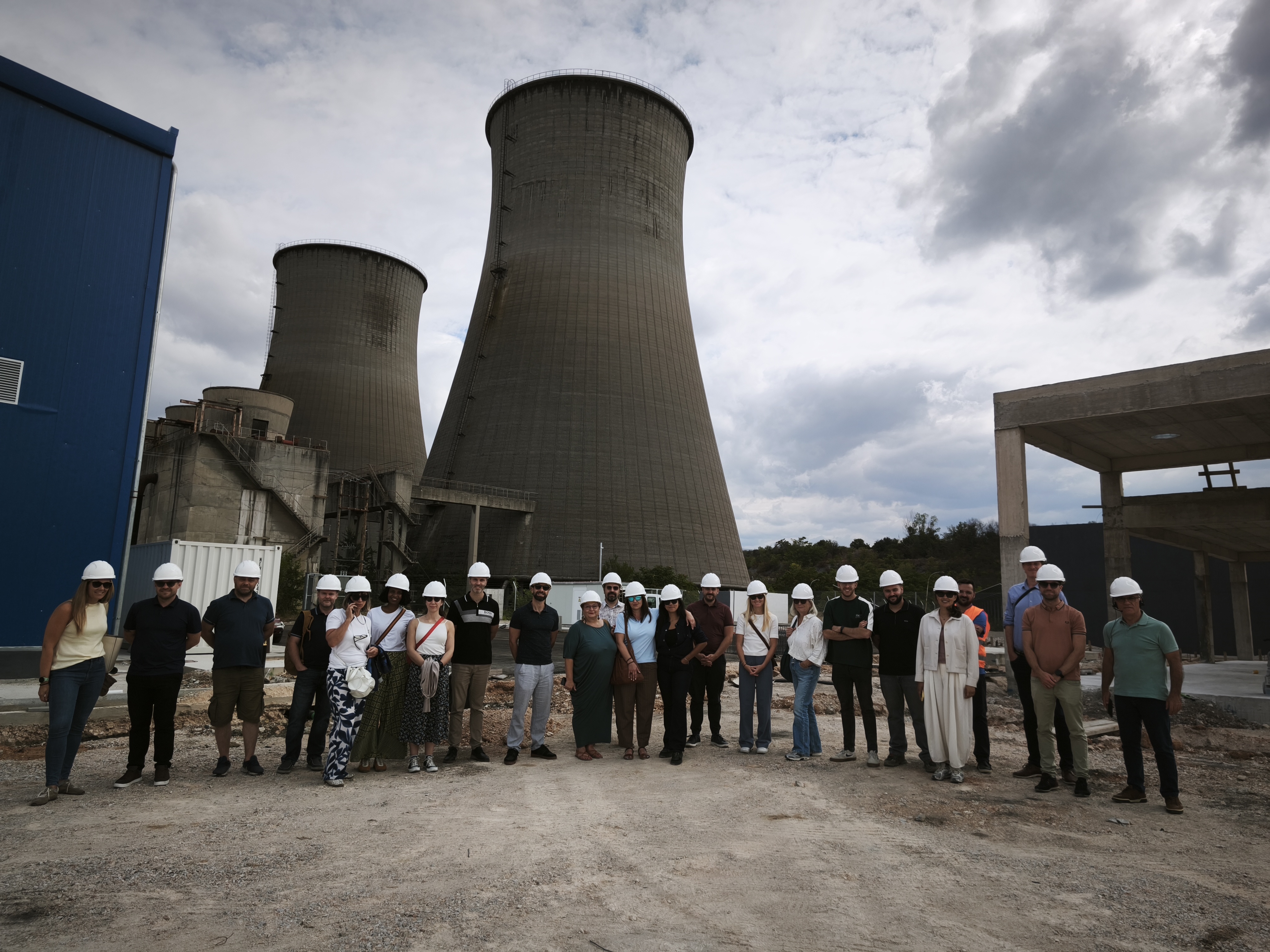
ETN joins COMMIT's seminar in Greece
Energy Transition Norway (ETN) participated in the fifth COMMIT partner meeting in Kozani, Greece.
ETN joined EU decision-makers and financing institutions in Brussels. A look at what was discussed.

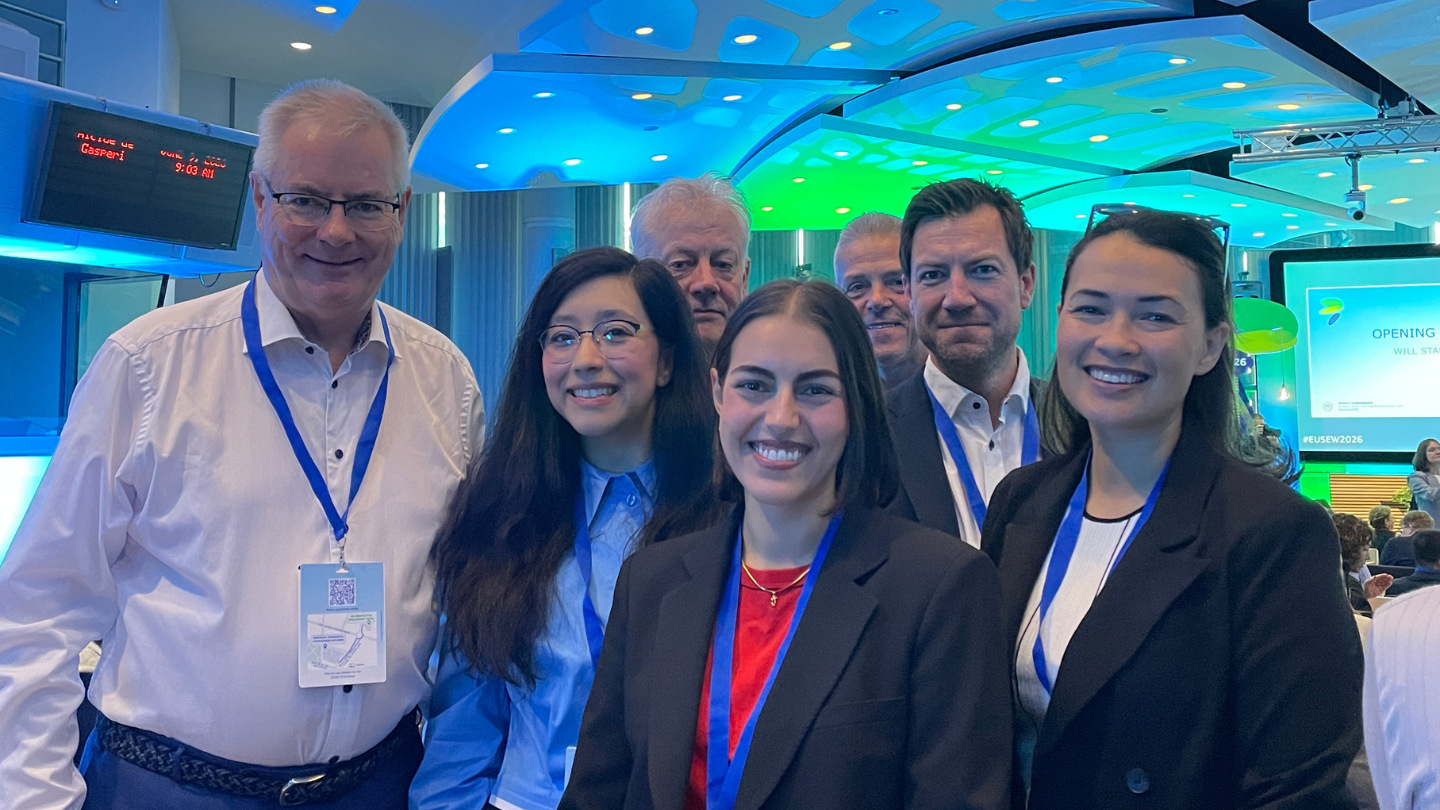

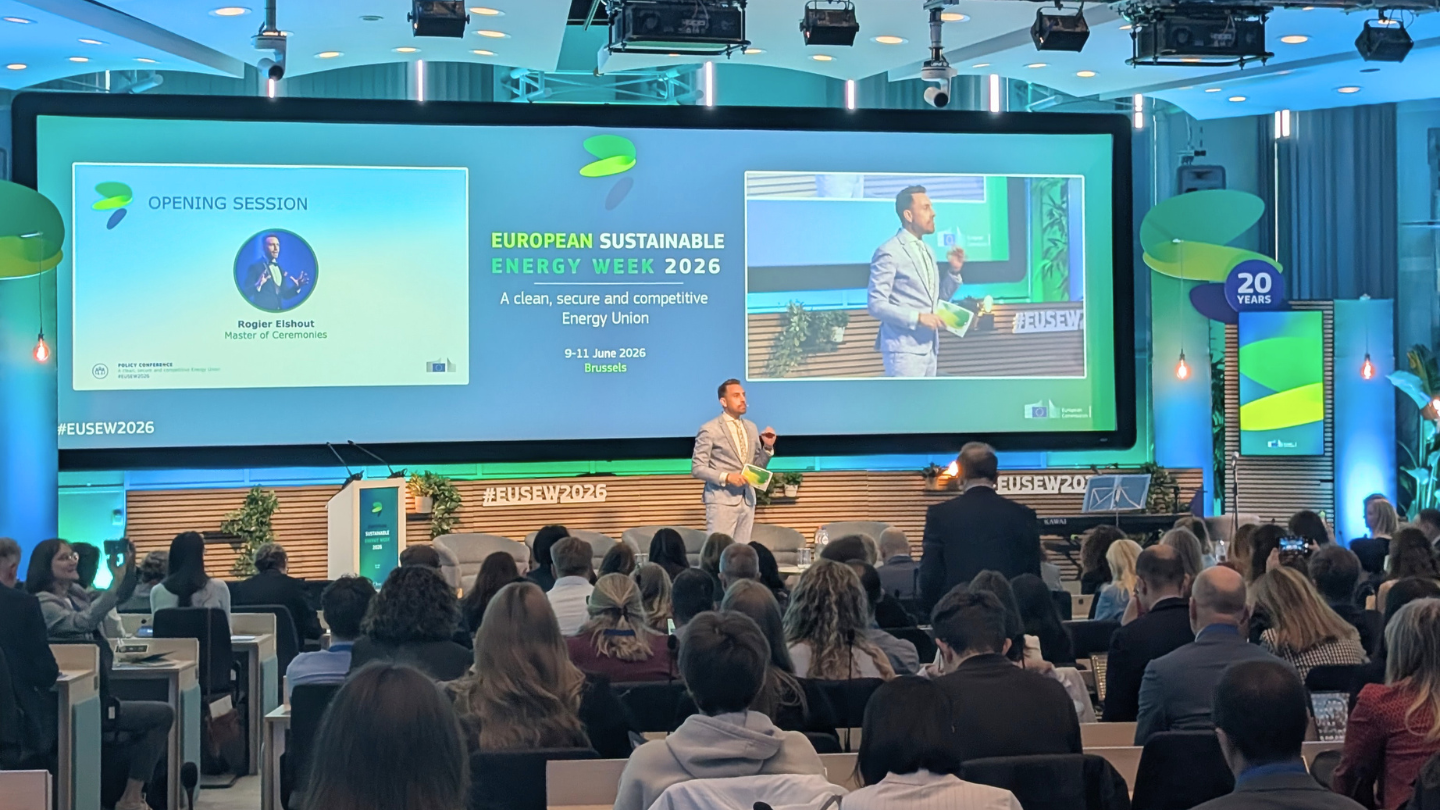
In June, Energy Transition Norway, together with the Stavanger Region European Office, organised a study trip to Brussels. The programme had two parts: a visit to the European Sustainable Energy Week (EUSEW), now marking its twentieth edition, and a tailored ETN seminar at Norway House. ETN brought along cluster members and partners, with the aim of meeting EU decision-makers, financing institutions and energy networks — and getting a firsthand look at the policies, programmes and funding mechanisms shaping the energy transition across Europe.
EUSEW itself offered a useful marker of how far the European energy system has moved. When the conference began two decades ago, renewables made up less than 10 percent of the EU's energy mix. That figure now stands at around 50 percent. A recurring theme throughout the week was the EU's ambition to phase out fossil fuel imports altogether, reducing the vulnerability that comes with relying on energy from outside Europe. As Dan Jørgensen, Commissioner for Energy and Housing put it, summarising the mood in the room: the current situation is not an energy crisis, but a fossil fuel crisis.
Much of the discussion centred on what comes next. With energy technologies now broadly mature, attention is shifting toward grid capacity as the bottleneck for the integration of renewables into the energy system — AI, digitalisation and smarter grid management were repeatedly framed as ways to unlock significant efficiency gains without new infrastructure investment. The energy potential of geothermal, nuclear, waste-to-energy and critical raw materials also featured as recurring themes, alongside a broader ambition: positioning Europe as the world's first "electro-continent."
The afternoon seminar at Norway House gave the delegation a closer look at how EU policy and funding actually connect to work happening in Norway. The Norwegian EU Delegation and the Research Council of Norway provided an update on energy, research and innovation policy, including the development of FP10, the successor to the Horizon Europe programme. According to current proposals discussed during the session, FP10 could nearly double the programme's budget. The European Investment Bank presented a range of financing tools aimed at supporting SMEs and scaling innovation across the energy sector. Cédric Brüll of Cluster TWEED spoke on how clusters across Europe translate industrial collaboration into concrete energy solutions — a theme that resonated directly with ETN's own model.
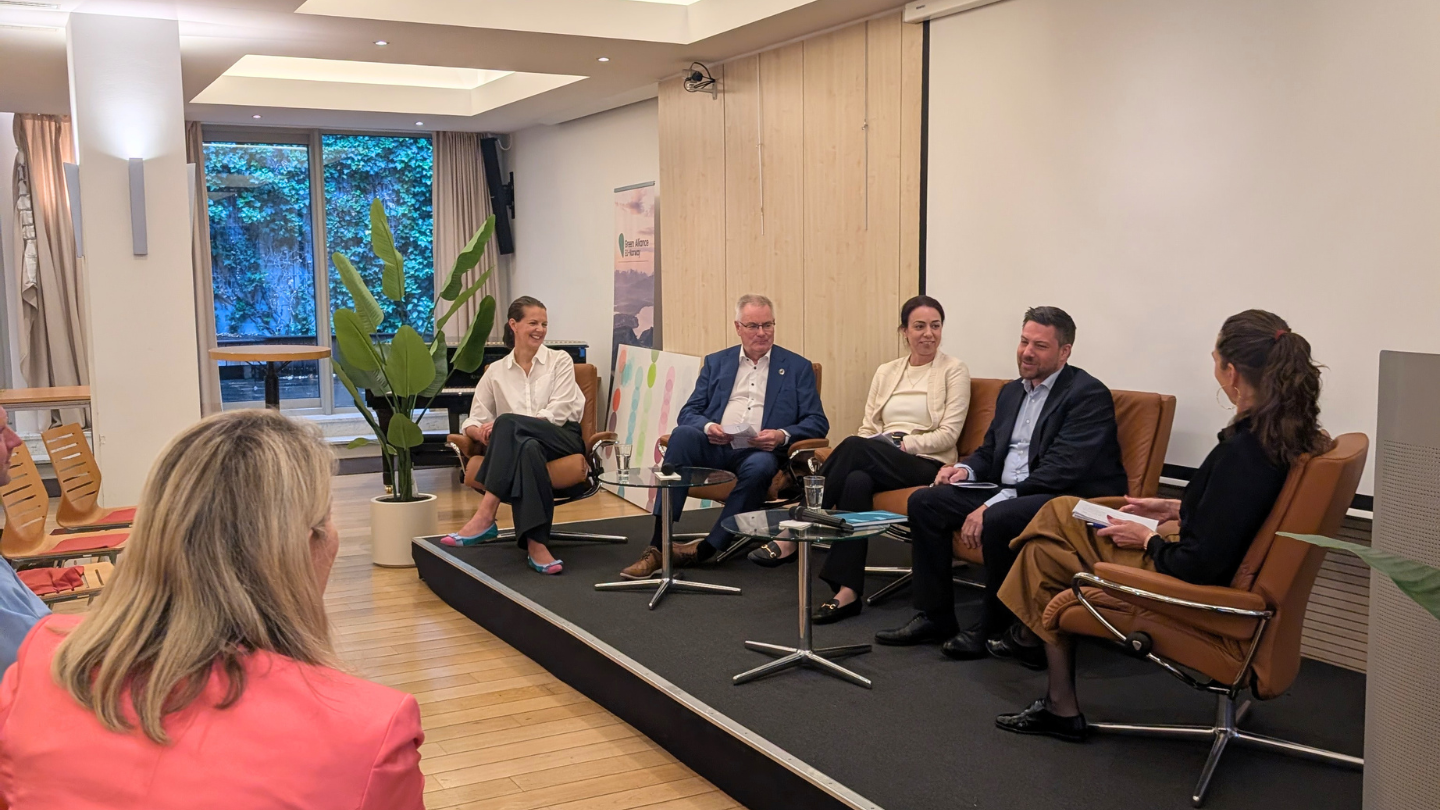
A panel discussion on energy security versus energy transition, moderated by Helene Eiliott (European Advisor, Stavanger Region European Office), brought together perspectives from Equinor, Fornybar Norge and Lyse alongside ETN's Tor Arnesen. Energy security is a challenge every region grapples with in its own way, and the panel offered a chance to compare notes on dilemmas and trade-offs that rarely have simple answers. A common view was that Norway is strongly influenced by EU energy policy and the direction of the European energy transition. For Norwegian companies and other energy stakeholders, understanding the economic and political implications of these developments is therefore becoming increasingly important when shaping future strategies and investment decisions.
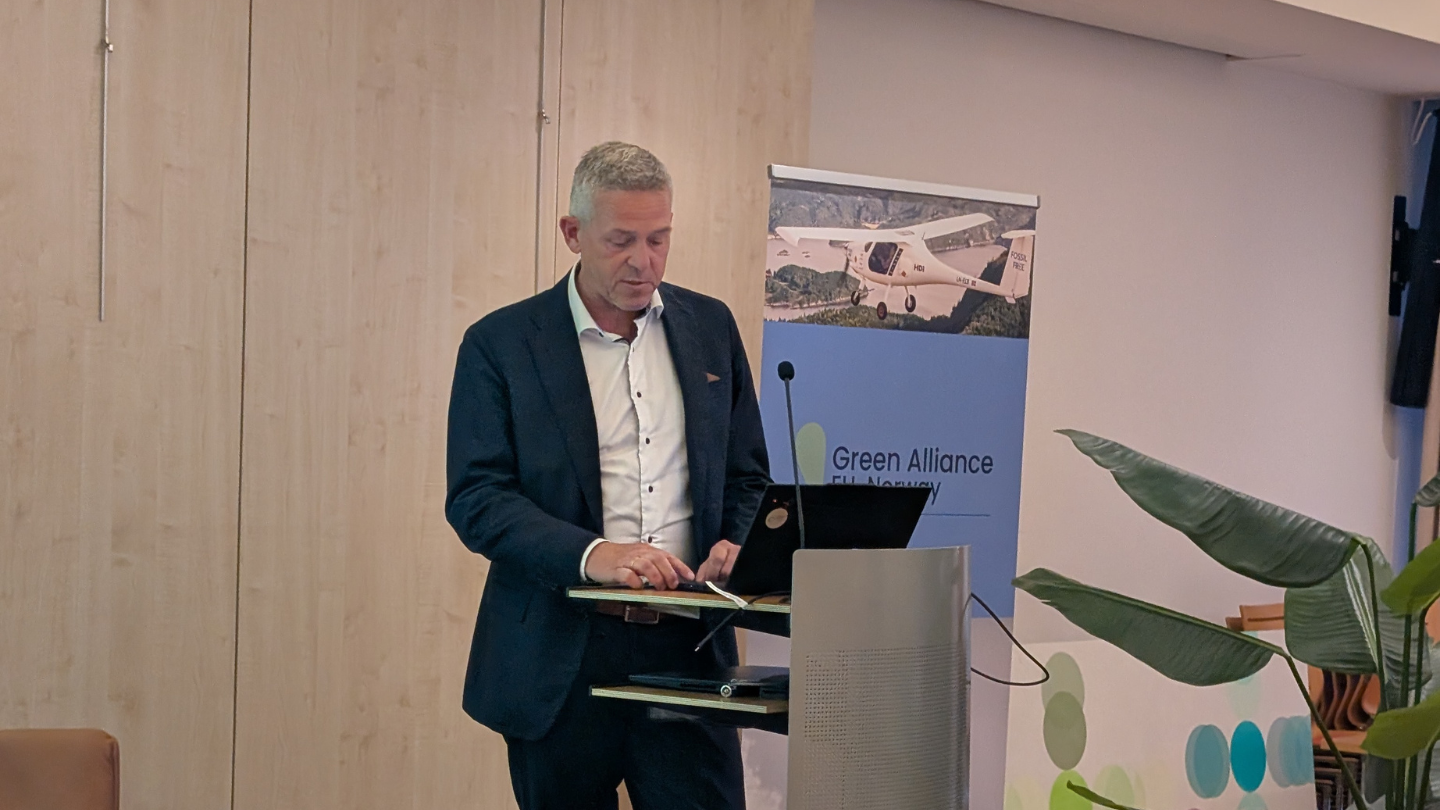
The seminar closed with a reception, and Tor Arnesen, Chairman of the Board, and Egil Aanestad, CEO of ETN, took the opportunity to introduce Energy Cluster Norway — a new national platform for the energy industry — to a European audience. Erik Svanes of Flex2Future and Terje Hauan of SEID followed with pitches of their technologies.
Some of the themes running through EU policy this year — electrification, financing for innovation, energy security — already have a place in ETN's work; energy security, in fact, was added to ETN's mandate just this year. Other themes, like the growing focus on grid capacity, point to where the conversation might be heading next. Staying close to that conversation and understanding where Norwegian industry fits into it is part of the value ETN aims to provide its members.

.png)