Don’t forget the interest rate
Energy offers Norway enormous opportunities, but growth does not come by itself.
Key take-away's from GEAN and ETN's seminar on geothermal energy


Norway has extensive expertise in subsurface technology, geology, drilling and energy systems. Yet geothermal energy remains a relatively underutilised resource in the Norwegian energy system. What is preventing wider adoption, and what will it take to realise more projects?
During ONS 2026, a session on geothermal energy hosted by Energy Transition Norway (ETN) and the Geothermal Energy Association of Norway (GEAN) attracted considerable interest.
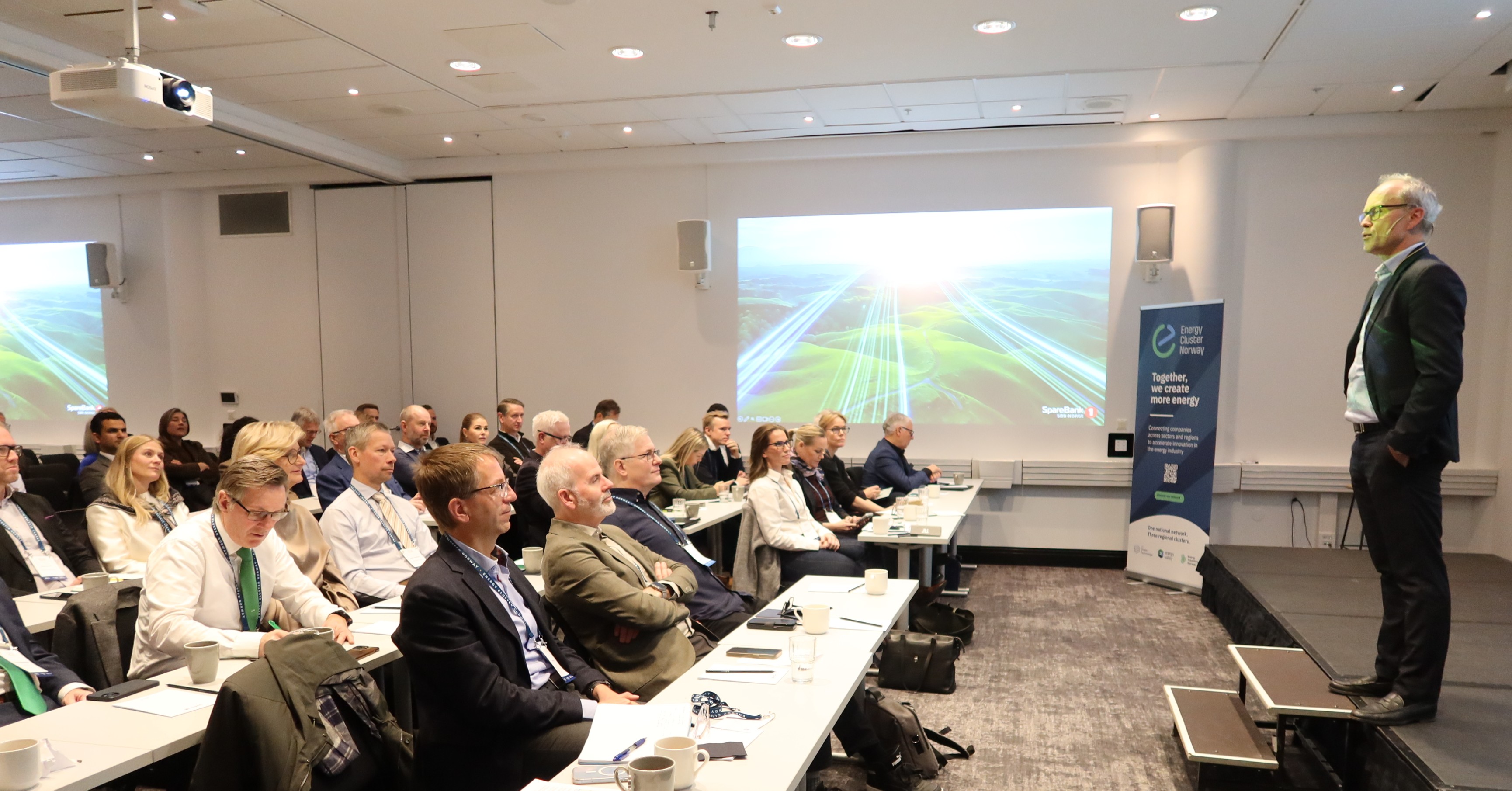
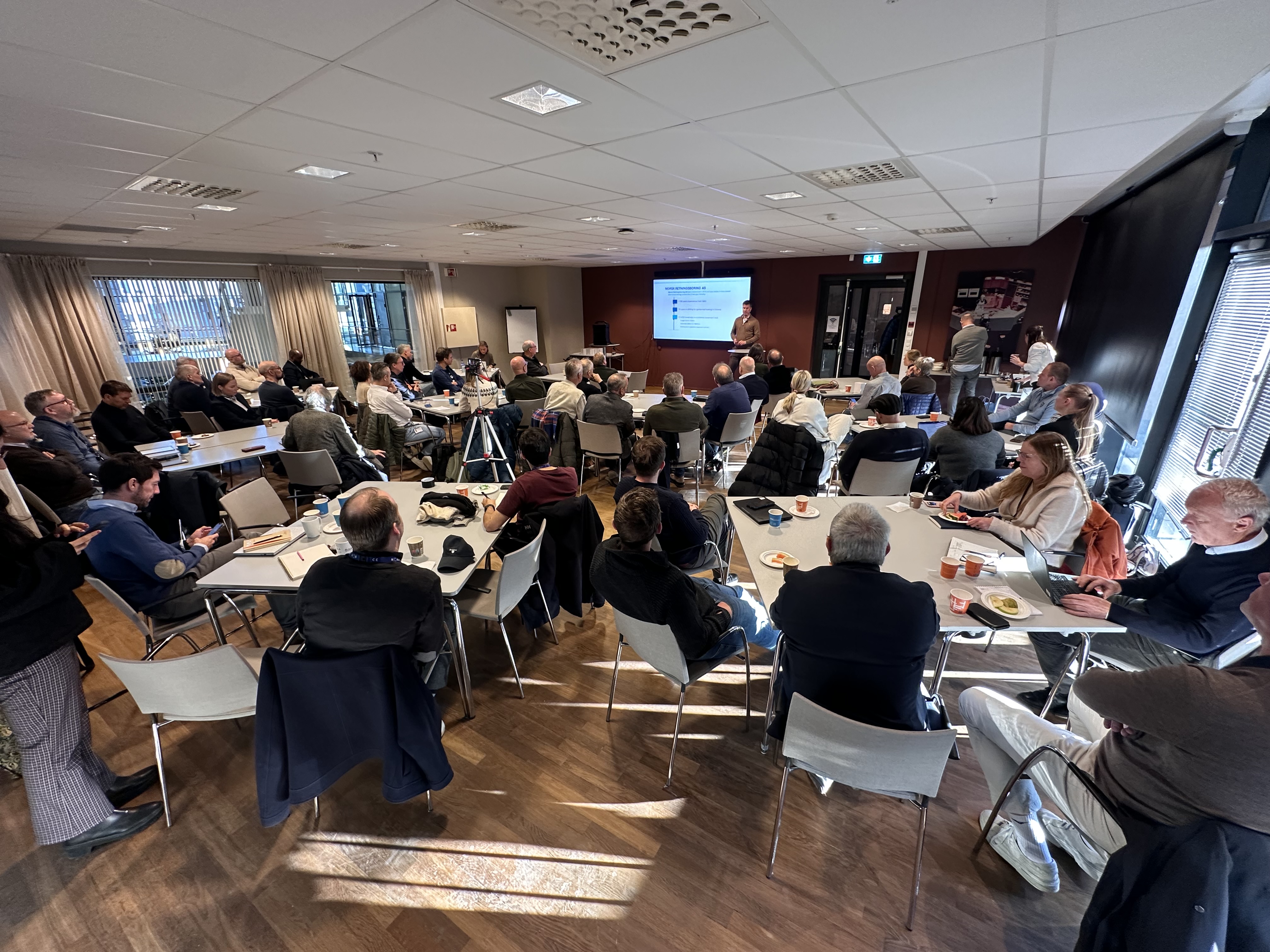
Building on this momentum, we brought together representatives from industry, municipalities, energy companies and research and educational institutions for a dedicated geothermal workshop in Stavanger on 25 November.
The ambition was to move beyond discussing the potential of geothermal energy and identify concrete actions that could accelerate its development in Norway.
The findings from the workshop will feed into the programme committee for GeoEnergi2027, a larger geothermal energy conference taking place next year.
GEAN is a network dedicated to advancing the development and utilisation of geothermal energy in Norway. By bringing together industry, research institutions and other stakeholders, GEAN promotes knowledge sharing, collaboration and the wider adoption of geothermal energy solutions.
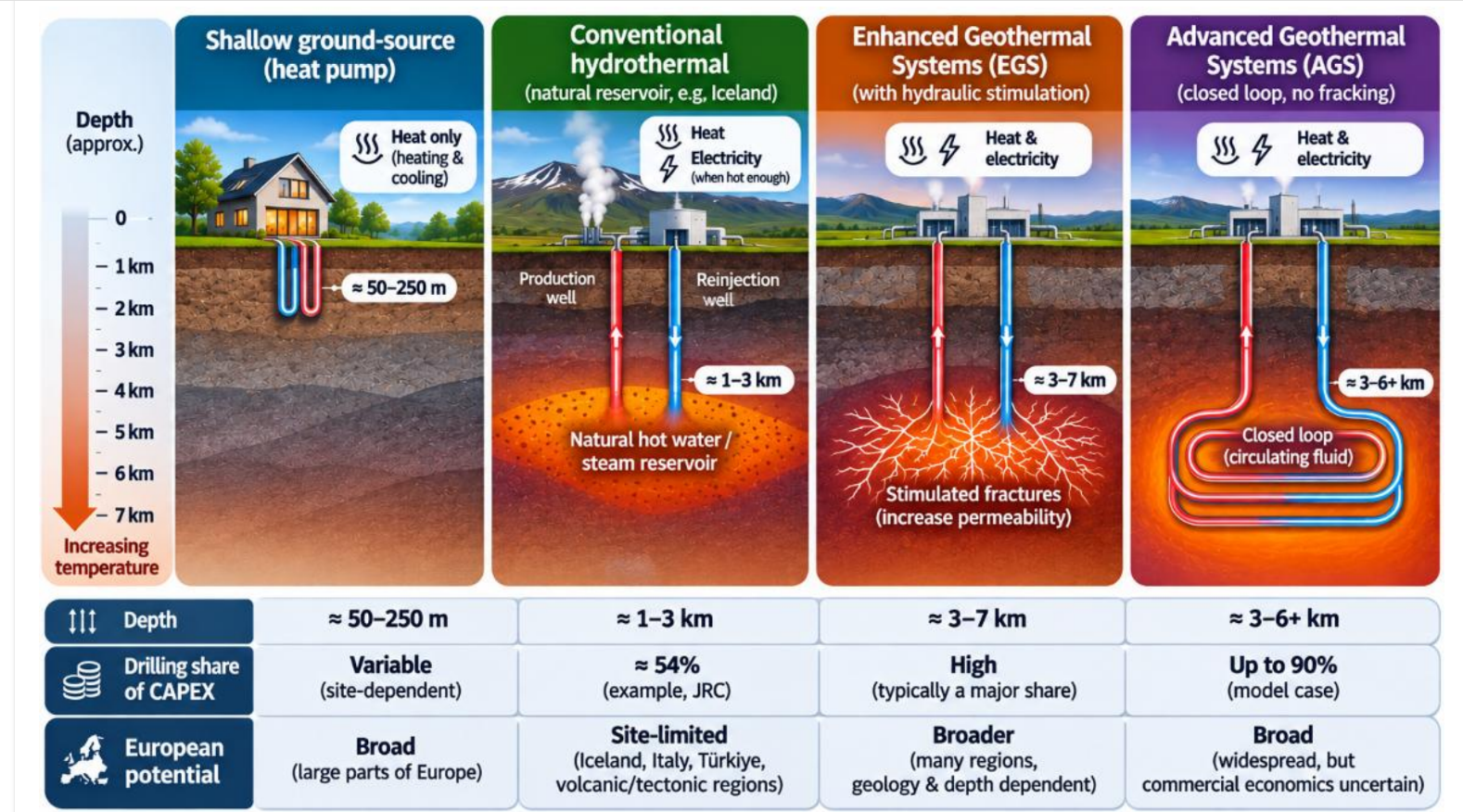
Geothermal and ground-source energy offer opportunities to utilise locally available thermal energy for heating, cooling and energy storage. Energy can be extracted close to where it is needed, reducing dependence on external energy supplies and infrastructure.
By meeting heating and cooling demands, ground-source energy can reduce electricity consumption and free up capacity in the power grid for other purposes.
Geothermal installations typically require relatively high upfront investments but can offer low operating costs, predictable energy costs and a long operational lifetime.
Despite Norway's extensive subsurface and drilling expertise, other Nordic countries have made greater progress in developing parts of the geothermal market. Finland, for example, has established ambitions for geothermal energy and gained practical experience with deep energy wells in urban environments. Norway currently lacks a comparable national target for geothermal energy.
The first half of the workshop explored geothermal energy from an energy system perspective, alongside practical examples and commercial considerations.
Atle Blomgren from NORCE introduced the concept of the energy quadrilemma, highlighting the need to balance sustainability, security of supply, affordability and value creation. He also pointed to the significant overlap between the competencies required for geothermal development and those already established within the Norwegian oil and gas industry.
Several practical examples illustrated the opportunities:
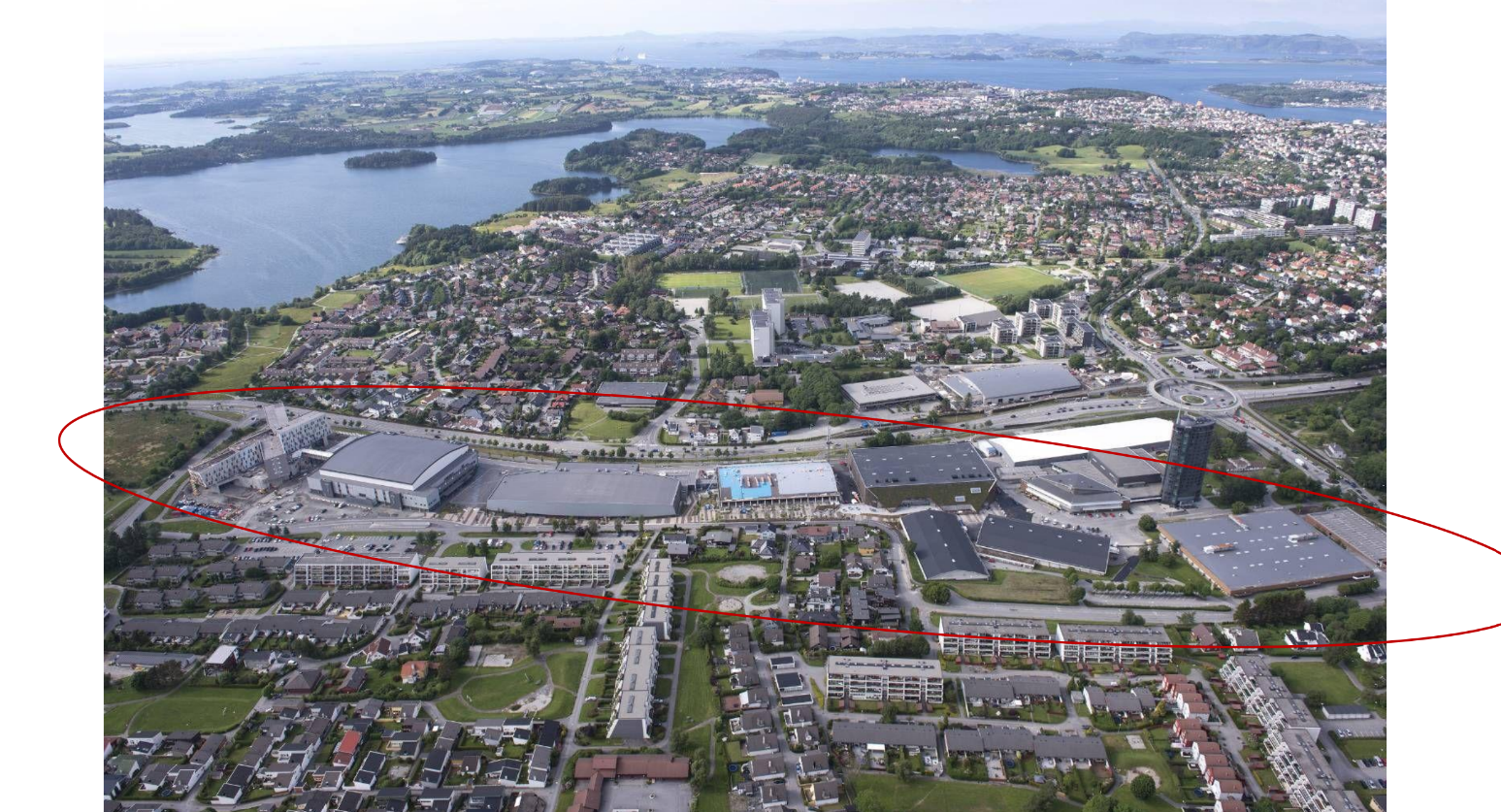
Stavanger Forum: An extensive ground-source heating and cooling system comprising 85 energy wells, supplying nine buildings and integrating surplus heat from ice production (Presented by Kirsti Midttømme, NORCE).
Jåsund School: Sola Municipality selected ground-source energy after evaluating four alternative energy solutions, with annual energy savings, stable energy supply and cooling capabilities among the deciding factors (Presented by Zakarias Chibssa, Sola Municipality).
Rennesøy School: Norsk Retningsboring and Stavanger Municipality are developing what is set to become Norway's deepest energy well. The 2,000-metre well is expected to deliver approximately 1 GWh of renewable heat annually, covering around 70 per cent of the school's energy needs (Presented by Jesper Moberg, Norsk Retningsboring).
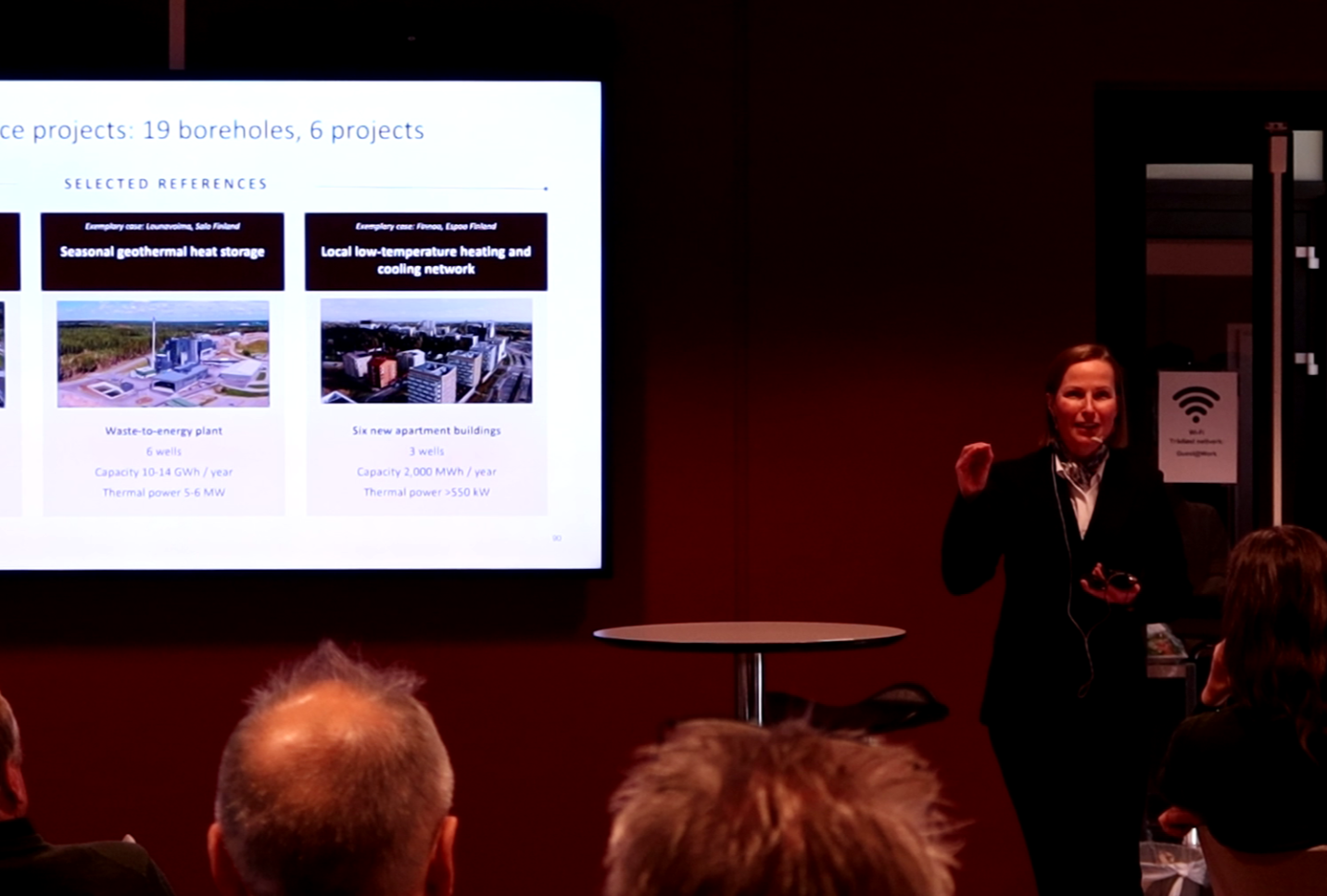
Finland: QHeat highlighted an often overlooked benefit of deep geothermal energy: property development value. In one example, three deep geothermal wells replaced the need for 100 conventional wells, reducing the required land area from 40,000 to just 50 square metres. With equivalent drilling costs, the solution frees up land with an estimated development value of nearly €8 million, illustrating the particular advantages of deep geothermal energy in densely developed urban areas (Presented by Erika Salmenvaara, QHeat).
Kristian Dalaker Kluge from Sweco also highlighted the importance of identifying suitable projects early in the planning process, while Øistein Fosse Mathisen at Lyse Neo provided perspectives on collective thermal energy systems and the utilisation of surplus heat.
A recurring message throughout the morning was the importance of evaluating energy solutions based on lifetime costs rather than initial investment alone.
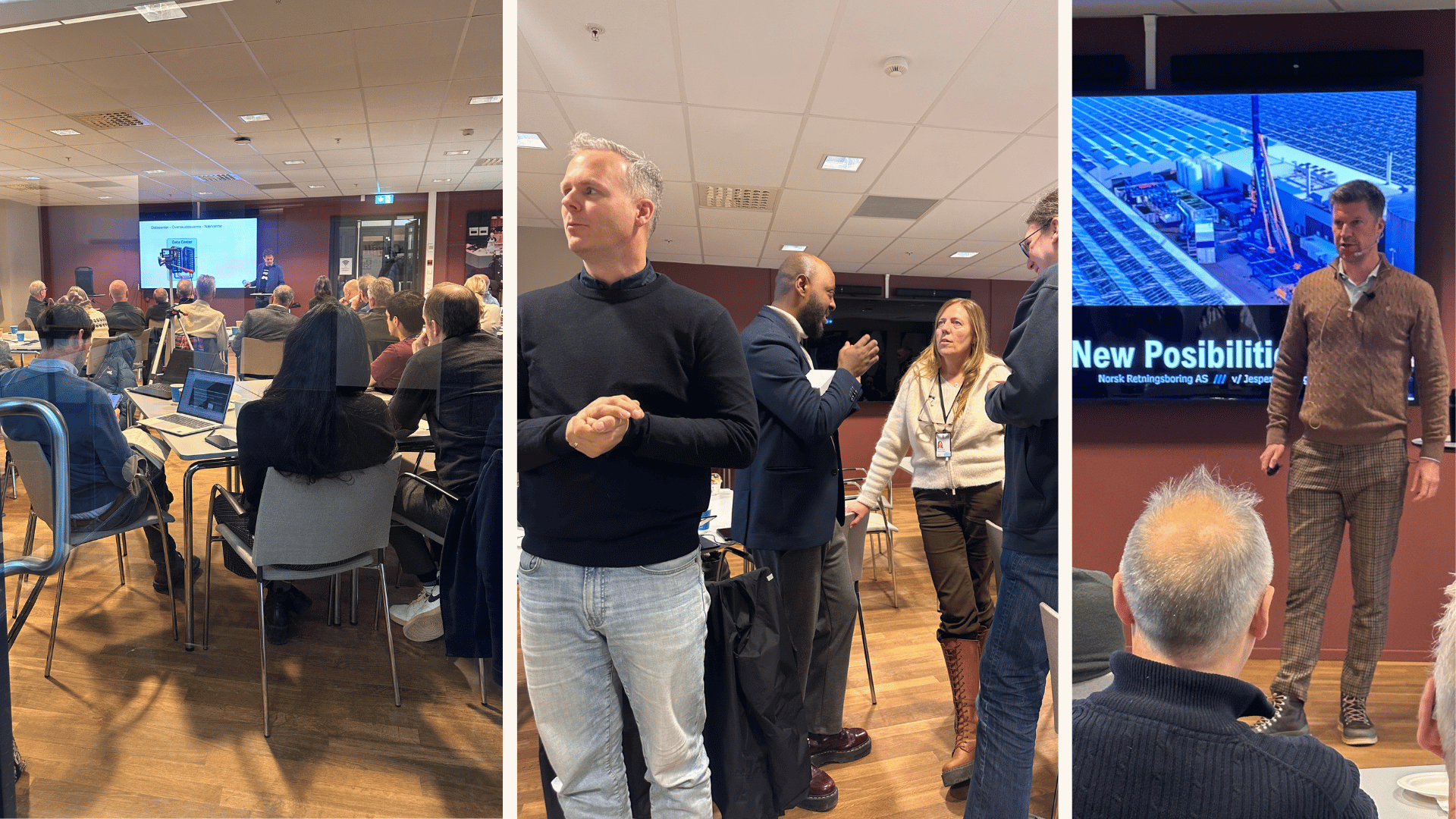
During the second half of the workshop, participants were divided into eight working groups to explore three key areas: market opportunities and projects, regulatory frameworks and incentives, and competence and industrial capacity.
Several common priorities emerged from the discussions.
Norway already possesses much of the technical expertise needed to develop geothermal projects, from geology and reservoir understanding to drilling, engineering and operational management.
However, this expertise is fragmented across different companies, industries and professional environments. The challenge is not necessarily a lack of technical competence, but the ability to bring it together and translate it into integrated, commercially attractive solutions.
Participants also highlighted the importance of developing relevant courses and educational programmes, making it easier for professionals with offshore experience to transfer their skills to onshore geothermal projects in Norway and internationally.
While the industry possesses considerable technical expertise, a significant competence gap remains among those responsible for commissioning energy systems.
Municipalities, property developers and building owners need better tools to evaluate geothermal energy alongside alternative solutions and to make informed investment decisions.
Participants identified a need for common technical specifications, clearer performance requirements and frameworks defining responsibilities and risk allocation between suppliers and customers.
Making geothermal installations straightforward to procure, operate and maintain will be essential to wider adoption.
Some of Stavanger's existing ground-source energy installations were described during the workshop as among the municipality's best-kept secrets.
Successful projects already exist, but their results are not necessarily reaching the decision-makers responsible for future developments.
Documenting and communicating energy savings, operational performance and lifetime costs could help build market confidence and demonstrate geothermal energy as a viable alternative.
One suggestion was to establish a national database of geothermal projects, allowing stakeholders to share performance data, experiences, challenges and lessons learned.
Both QHeat and Norsk Retningsboring expressed an interest in sharing data and experiences to support further development of the sector.
High upfront investment costs remain a barrier to geothermal development.
However, participants pointed to the potential for cost reductions through repeated project execution, standardisation, automation and the transfer of established drilling technologies from offshore to onshore applications.
According to Jesper Moberg from Norsk Retningsboring, the company estimates that it has managed to halve costs and increase heat extraction capacity by 25–40% in just six months. He sees further potential for improvement as experience accumulates and technology evolves.
Learning by doing will be important. More projects will generate more experience, improve efficiency and provide a stronger basis for assessing technical and financial risks. At the same time, unnecessary engineering complexity should be avoided, both to reduce investment costs and to ensure that installations are straightforward to operate.
The discussions also highlighted the need to look beyond the profitability of individual installations and consider the wider societal benefits of geothermal energy.
Locally produced thermal energy can contribute to energy security, reduce pressure on the electricity grid and diversify the energy sources available to communities and businesses.
Underground energy infrastructure may also offer resilience advantages, making geothermal energy relevant in discussions about emergency preparedness and security of supply.
Areas outside existing district heating networks were identified as particularly relevant markets for ground-source heating solutions.
The value of geothermal energy in Norway should therefore not primarily be measured in electricity generated, but in electricity saved, grid capacity released and increased flexibility within the energy system.
The workshop demonstrated that Norway has a strong foundation for developing geothermal energy. The technical expertise exists, successful installations are already in operation, and new projects are pushing the boundaries of what is possible.
The next step is to connect these competencies, strengthen demand-side knowledge, improve access to project data and establish frameworks that make it easier to develop and invest in geothermal solutions.
Stavanger’s Deputy Mayor, Henrik Halleland, was scheduled to deliver the political keynote but was unable to attend due to illness. To ensure that the perspectives and recommendations raised during the seminar reach municipal decision-makers, Vivek Bakke Lie from GEAN will compile the key findings from the working groups and request a meeting with Stavanger Municipality’s political leadership to present and discuss them.
Energy Transition Norway and GEAN will consolidate the findings from the working groups and share them with participants. The findings will also provide input to the programme committee for GeoEnergi2027, ensuring that the discussions continue with a focus on concrete barriers, opportunities and actions.
The ambition is clear: to turn the energy potential beneath our feet into more projects, industrial opportunities and value creation in Norway.